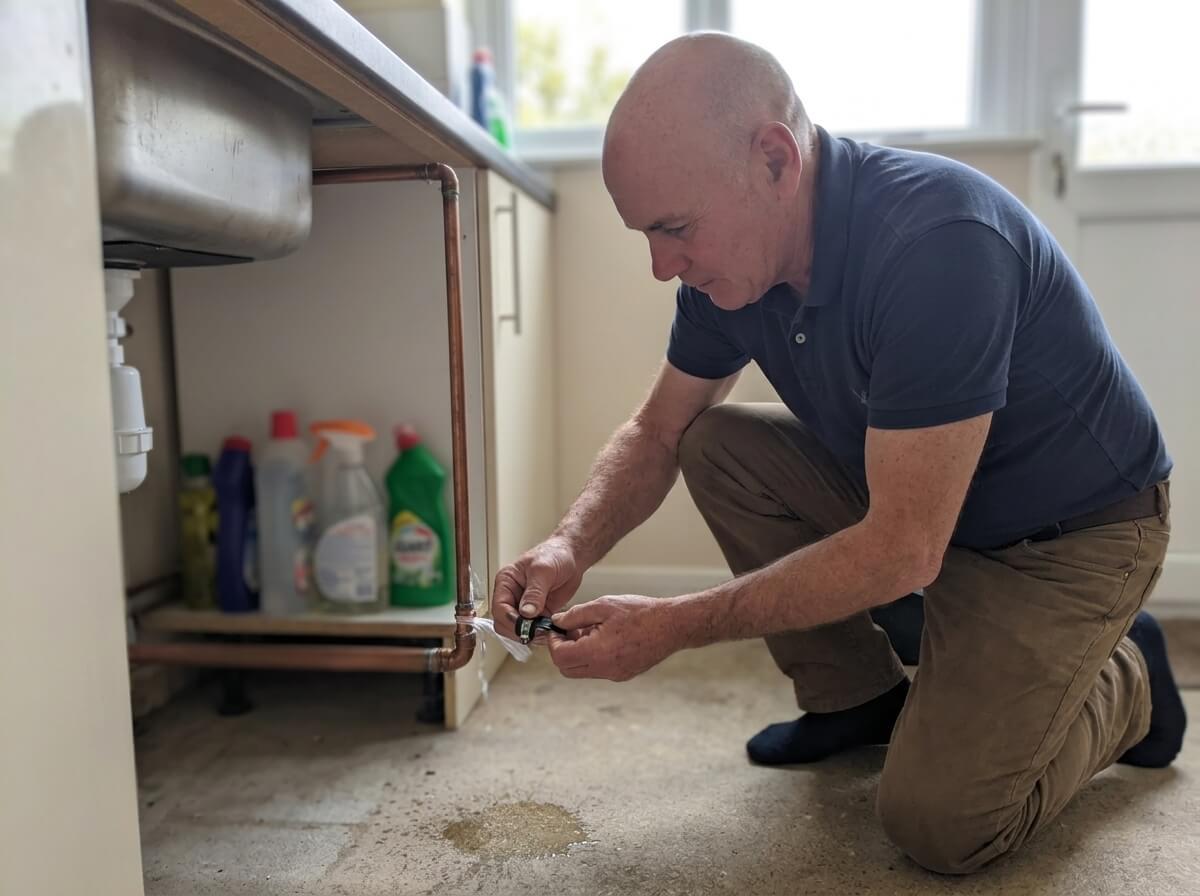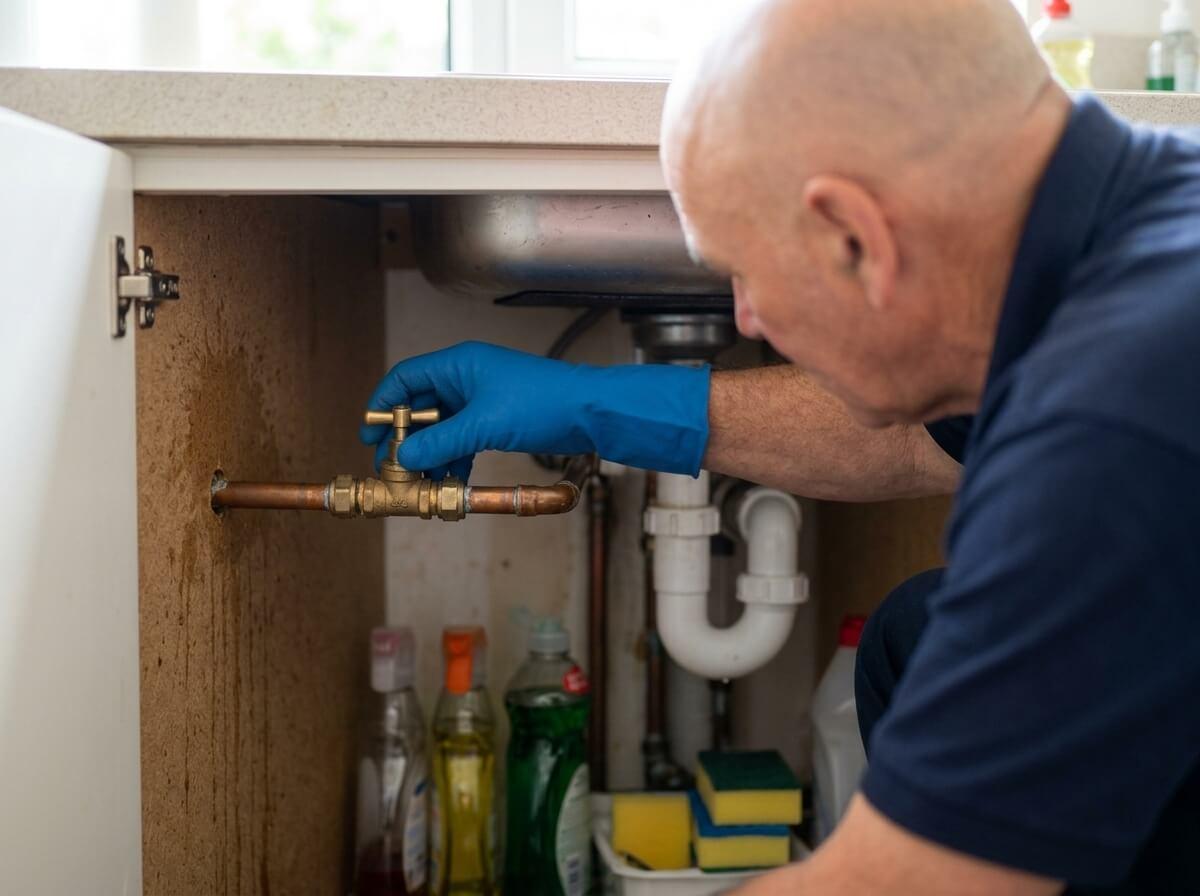
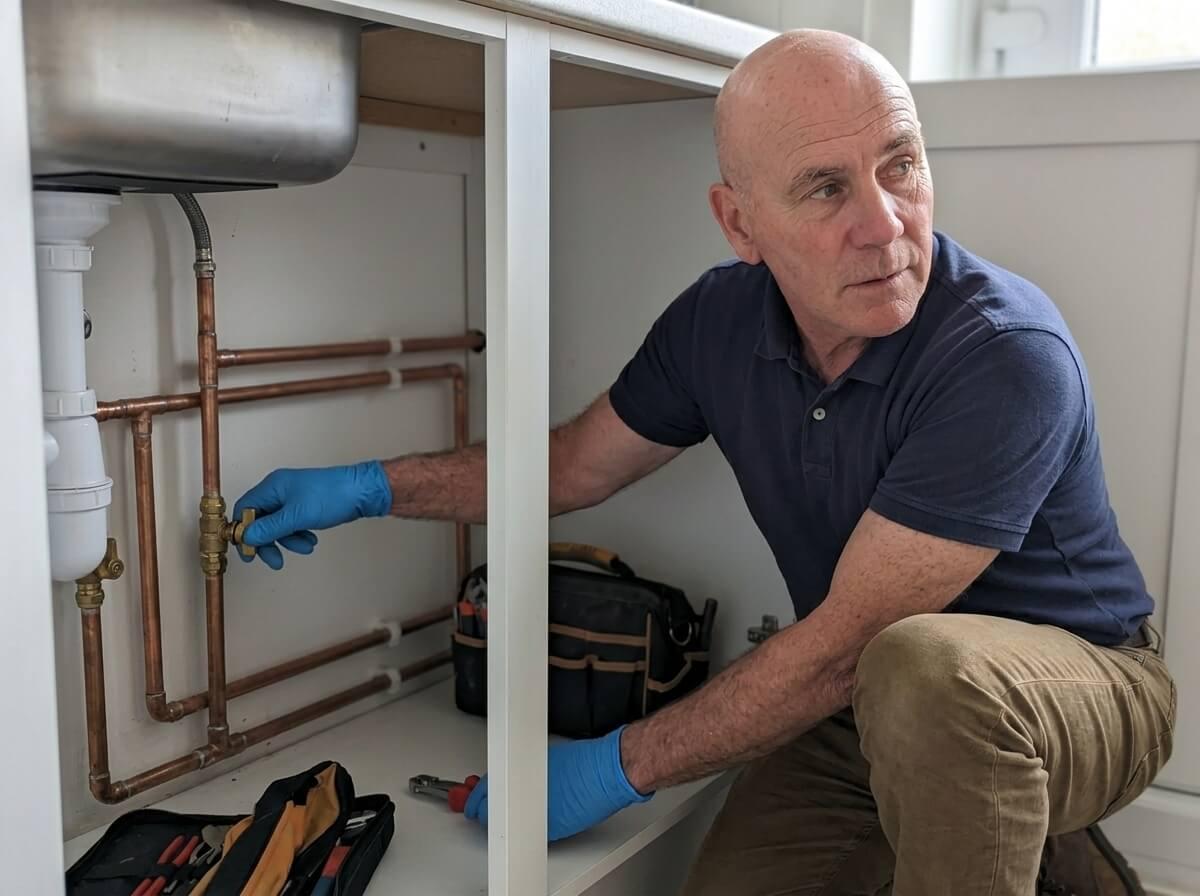
Every winter, the first proper frost brings the same phone calls. A kitchen tap that coughs and gives nothing. A toilet that will not refill. A boiler flashing an error on the coldest morning of the year. And, a day or two later when the temperature climbs, the calls I would most like to prevent: water pouring through a ceiling because a pipe split while it was frozen and nobody knew until it thawed. Suffolk does not get long Canadian winters, but that is exactly why our cold snaps catch people out. They arrive a few times a year, homes are not prepared for them, and pipes in lofts, garages and on outside walls freeze overnight.
In more than forty years as a plumber in Ipswich, I have thawed and repaired more frozen pipes than I could count. The good news is that a frozen pipe caught early is usually something you can deal with safely yourself, and a few simple precautions before winter will stop most of them happening at all. This guide covers how to tell if a pipe is frozen, exactly what to do step by step, the safe and unsafe ways to thaw it, the frozen boiler condensate pipe that catches so many people out, what to do if the pipe has already split, and how to protect your home for the rest of the winter.
How to Tell If Your Pipes Are Frozen
A frozen pipe is simply a pipe with a plug of ice inside it that stops water getting past. The signs are usually obvious once you know what to look for, especially if they appear on a cold morning after a hard overnight frost:
- ●No water, or just a trickle, from one tap. The most common sign. If one tap has stopped while others still run, the pipe feeding that tap has frozen somewhere along its route.
- ●Frost, condensation or a bulge on a visible pipe. Look under sinks, in the loft, garage and airing cupboard. A frozen section can feel icy to the touch, look frosted, or show a slight swelling where the ice has pushed outwards.
- ●A toilet cistern that will not refill after flushing. The pipe feeding it, often from a loft tank or running along an outside wall, has frozen.
- ●Gurgling, whistling or banging when you open a tap. Air and water trying to get past a partial ice blockage often make odd noises in the pipework.
- ●A sink, bath or shower that will not drain. Waste pipes that run outside can freeze too, especially where water sits in a dip or a gully on the way to the drain.
- ●A condensing boiler that has locked out with an error code. If the boiler stops on a freezing morning, the small plastic condensate pipe that runs outside to a drain has very likely frozen. There is a full section on this below.
- ●An unusual smell from a plughole. When a waste pipe freezes and water cannot clear, smells can back up. This is less common, but worth noting alongside the other signs.
If there is no water from any tap at all, check with a neighbour before assuming your pipes are frozen. A whole street without water usually points to a problem on the water company’s side, and your supplier’s website will normally list incidents in your postcode.
Where Pipes Freeze First
Pipes freeze where cold air reaches them and warm air from the house does not. When I am called to a frozen pipe in Ipswich, it is almost always in one of these places:
- ●The loft. Pipes and cold water storage tanks above the loft insulation sit in what is effectively an outdoor space. Pipes that run between the joists without lagging are the classic frozen pipe.
- ●Garages, utility rooms and outbuildings. Unheated spaces with washing machine feeds, outside tap feeds or a stopcock are frequent culprits, especially in older extensions.
- ●Pipes on or through external walls. Pipes that run inside a kitchen cupboard on a north-facing wall, or pass through the wall to an outside tap, can freeze even in a warm house.
- ●Where the rising main enters the house. The mains supply usually comes up through the floor under the kitchen sink. In older homes with suspended timber floors, the pipe runs through a cold, ventilated void first.
- ●Outside taps and garden pipes. Fully exposed and full of standing water, an outside tap can freeze on a single cold night and split its feed pipe inside the wall.
- ●Boiler condensate pipes and external waste pipes. Narrow plastic pipes with slow-moving water in them are among the very first to freeze.
Many Ipswich homes add their own risks: Victorian and Edwardian terraces with pipework on solid external walls, bungalows with the tank and pipes in a large, cold loft, and 1960s and 1970s houses where garage conversions and extensions put pipes into spaces that were never meant to be heated. On the coast at Felixstowe and around the Deben and Orwell, wind chill means exposed pipes freeze sooner than the thermometer alone would suggest.
Frozen Pipe? What to Do, Step by Step
If you think a pipe has frozen, work through these steps in order. The order matters: stopping the water and relieving pressure first is what prevents a frozen pipe from becoming a flooded kitchen.
Turn off the water at the stopcock
Before you do anything else, turn your internal stopcock clockwise until it stops. It is usually under the kitchen sink, but it can be in a downstairs toilet, utility room, airing cupboard or under the stairs. If you are not sure where yours is, my guide on how to locate your stopcock shows where it hides. With the water off, there is nothing pushing water out of a split pipe when the ice melts. If the stopcock will not turn, do not force it, see how to free a stuck stopcock safely.
Open the tap on the frozen pipe
Open the tap that has stopped working, and leave it open. This relieves pressure trapped between the ice and the tap, and gives meltwater somewhere to go as the pipe thaws. Running water through the pipe also helps melt the rest of the ice once it starts moving. If a toilet will not refill, flush it so the cistern is empty.
Find the frozen section
Follow the pipe back from the tap towards where it comes from, and look for the coldest, most exposed part: where it passes through an outside wall, runs through the loft or garage, or sits in a cold cupboard. Frost on the outside of the pipe, or a section that feels much colder than the rest, is usually where the ice plug is. If the pipe disappears into a wall or under a floor before you find it, warming the room is your safest option.
Protect electrics and belongings
Move anything valuable away from the pipe, put towels and a bowl or bucket underneath, and keep electrical items, sockets and extension leads well clear. If there is any chance water could reach electrics, switch that circuit off at the consumer unit before you start.
Thaw the pipe slowly, starting from the tap end
Start warming the pipe nearest the open tap and work gradually back towards the frozen section. That way, as the ice melts, water can flow out through the open tap instead of being trapped between two plugs of ice and building up pressure. Use towels soaked in warm water, a hot water bottle wrapped in a towel, or a hairdryer on a low setting kept moving along the pipe. Be patient: gentle heat over half an hour is much safer than fierce heat in five minutes.
Check the pipe carefully before turning the water back on
Once water is dripping freely from the open tap, run a dry hand or a dry piece of tissue along the whole length of the pipe you have thawed, paying close attention to joints, bends and any swollen sections. Look for hairline splits in copper, and joints that have been pushed apart. A split that is invisible while the pipe is empty can spray as soon as the water is back under pressure.
Turn the water back on slowly and watch
Open the stopcock gradually, a quarter-turn at a time, while someone watches the thawed pipe. If any leak appears, turn the stopcock off again straight away. If all is well, run the tap for a minute or two, then turn the stopcock fully on and back a quarter-turn. Keep an eye on the pipe, and on ceilings below it, for the next few hours.
Safe and Unsafe Ways to Thaw a Frozen Pipe
When there is no water and it is freezing cold, the temptation is to reach for the quickest heat you can find. Rapid, concentrated heat is the single biggest cause of damage I see after a freeze, so here is how the common methods compare:
| METHOD | VERDICT | WHY |
|---|---|---|
| Towels soaked in warm water | Safe | Gentle, even heat that also catches condensation. Re-soak as they cool. The best first choice for most pipes. |
| Hot water bottle over a towel | Safe | Steady heat that you can leave in place on a horizontal run. Wrap it in a towel so it does not sit directly on the pipe. |
| Hairdryer on low or medium | Safe with care | Keep it moving, keep it a few centimetres off plastic and push-fit joints, and never use it near dripping water. |
| Warming the room (heating up, door open) | Safe | Slow but very safe for pipes inside a cold cupboard or on an outside wall. Open cupboard doors so warm air reaches them. |
| Warm (not boiling) water over a condensate pipe | Safe outdoors | The accepted way to clear a frozen boiler condensate pipe. Boiling water can crack the plastic and freeze again on paths. |
| Blowtorch, heat gun or any naked flame | Never | Heats one spot far too fast. Can split copper, melt solder and plastic pipe, and start a fire in a loft or cupboard. |
| Boiling water poured on indoor pipes | Avoid | Sudden temperature shock stresses joints, and the water ends up on floors, electrics and ceilings below. |
| Hitting or chipping at the ice | Never | A frozen pipe is already under strain. A knock can crack it or push a joint apart, turning a freeze into a burst. |
Plastic pipes and push-fit fittings deserve extra care. They are more forgiving of freezing than copper, but they soften with heat, so keep hairdryers moving and at a distance. Never leave a fan heater or electric heater running unattended in a loft, garage or cupboard, and never put a heater where it could be splashed if a pipe lets go.
Frozen Boiler Condensate Pipe: Why Your Boiler Stopped
If your boiler has stopped working on a freezing morning and is showing a fault code, this is the first thing to check. Modern condensing boilers produce water as they run, and it drains away through a thin plastic pipe, usually white or grey and around 22mm across, that often runs outside to a drain or soakaway. On a cold night, the slow trickle inside can freeze and block it. The condensate then backs up into the boiler, which shuts itself down for safety. You may hear a gurgling noise from the boiler before it locks out.
To clear it, follow the pipe from the boiler to where it leaves the house and find the frozen section, often at the lowest point, a bend, or the open end over the drain. Pour warm water, from a kettle that has been left to cool for a while, slowly over the pipe, or hold a hot water bottle or warm towel against it. Do not use boiling water, which can crack the plastic, and be careful about pouring water onto paths and steps where it will turn to ice. Once the pipe is clear, reset the boiler following the instructions in its manual or on the front panel. It may take a couple of attempts to restart.
If the boiler will not restart after the condensate pipe has thawed, or it keeps freezing every cold snap, contact your boiler engineer or the manufacturer. A condensate pipe that keeps freezing usually needs rerouting inside, upsizing to a wider pipe outside, or insulating, which is a permanent fix well worth doing before the next winter.
What If the Frozen Pipe Has Already Burst?
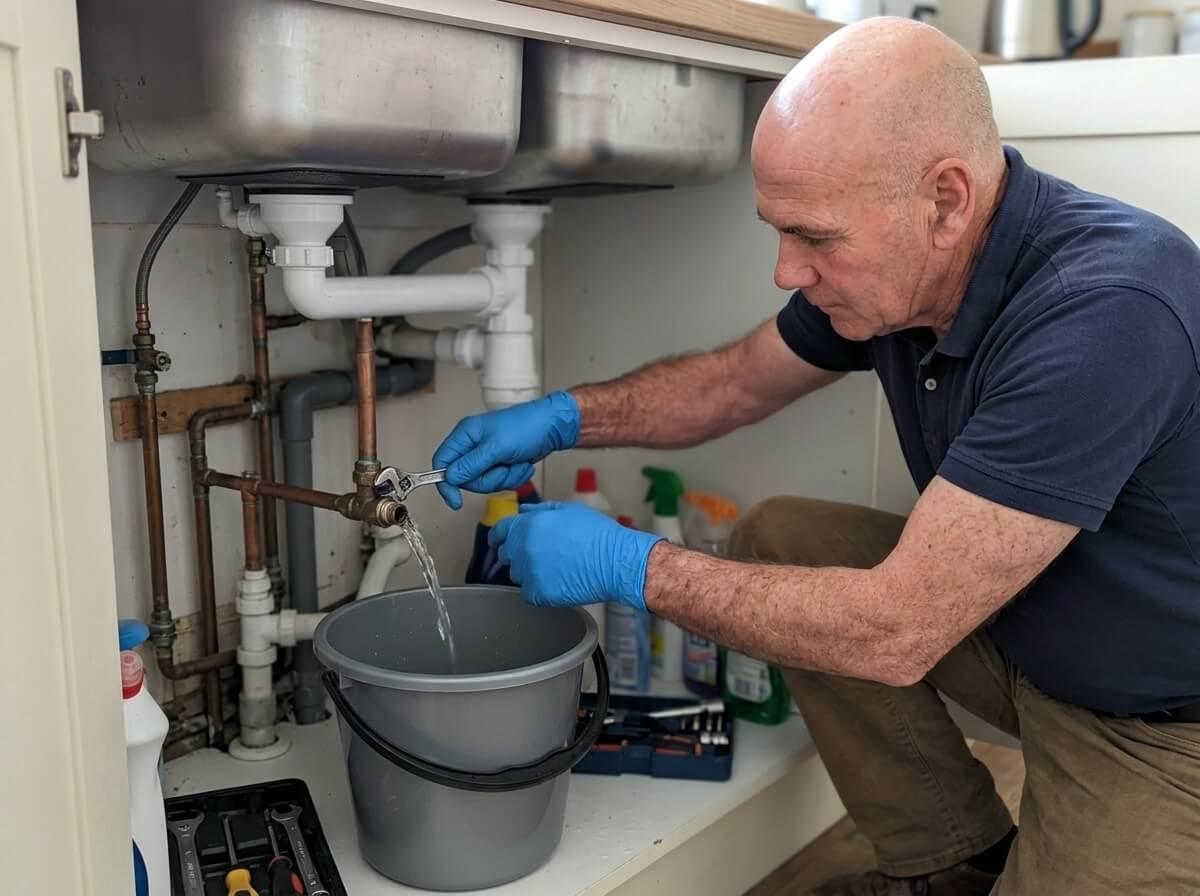
Sometimes the first sign of a frozen pipe is water coming through a ceiling, running down a wall, or spraying from a split in the loft as the temperature rises. If that happens, move quickly:
- ●Turn off the stopcock immediately. This stops fresh water feeding the leak from the mains.
- ●Switch off the electrics if water is near them. If water is coming through a ceiling near a light fitting, or reaching sockets, switch off at the consumer unit, but only if you can reach it without touching water.
- ●Turn off the boiler and any immersion heater. If the leak is on the hot side, or the system is draining, the heating should not run without water.
- ●Open the cold taps to drain the system. Opening the cold taps on the ground floor, and flushing the toilets, empties the pipes and any loft tank faster, so less water escapes through the split.
- ●Catch and mop the water, and photograph the damage. Buckets, towels and moving belongings limit the damage, and photos before you clean up support an insurance claim.
- ●Call an emergency plumber. A split pipe needs cutting out and a new section jointed in properly, then pressure-testing before the water goes back on.
My full burst pipe emergency guide walks through each of these steps in more detail. If you are in Ipswich or the surrounding towns, my burst pipe repair service runs 24 hours a day through the winter, and I will usually be with you in about half an hour.
Frozen Outside Taps, Waste Pipes and Overflows
Outside taps
An outside tap is the most exposed piece of plumbing on most homes. If it freezes, the danger is not really the tap, it is the feed pipe inside the wall behind it, which can split and leak into a cavity or kitchen cupboard unnoticed. If your outside tap has its own isolating valve inside (usually under the kitchen sink or in the garage), turn it off in autumn and open the outside tap to drain it, then leave it open. A foam insulated tap cover is cheap and effective, and disconnecting the garden hose stops water sitting in the tap body.
Frozen waste pipes
If a sink, bath or washing machine will not drain in freezing weather, an outside waste pipe or gully may have frozen. Stop using that appliance, as more water will only back up, and gently pour warm water down the plughole or over the outside section of pipe. Do not use chemical drain cleaners on a frozen pipe: they cannot work on ice and leave caustic water sitting in the pipe. If it is still blocked once the weather warms, the problem may be a genuine blockage rather than ice, which my guide to recurring sink blockages covers.
Icicles on an overflow pipe
An icicle hanging from a small overflow pipe on an outside wall means water is constantly running out of a cistern or loft tank. It is not a frozen pipe as such, but in winter the overflow can freeze solid, and the cistern or tank then has nowhere to spill except inside your home. It is usually caused by a worn fill valve or float, and my guide on how to stop a toilet cistern overflowing explains the fix.
How to Stop Pipes Freezing This Winter
Almost every frozen pipe I attend could have been prevented with a little preparation in October or November. This is the checklist I give my own customers:
- ●Lag exposed pipes and the loft tank. Foam pipe lagging from any DIY shop slips over pipes in the loft, garage, under floors and in cold cupboards. Cover the cold water tank with a proper jacket too, but leave the loft insulation out from directly underneath the tank so a little warmth rises into it.
- ●Keep the heating on low during cold snaps. Around 12 to 15°C, even when you are out or asleep, is usually enough to protect pipes inside the house. A frost setting on its own protects the boiler, not every pipe.
- ●Open the loft hatch and sink cupboard doors in severe cold. Letting warm air reach pipes in the loft and in kitchen cupboards on outside walls makes a real difference on the coldest nights.
- ●Isolate and drain the outside tap. Turn off its inside valve, open the tap to drain it, fit an insulated cover, and disconnect the hose.
- ●Fix drips and dripping overflows. A slowly dripping tap or overflow can freeze and block. Replace worn washers and sort sticking float valves before winter.
- ●Find and test your stopcock. Make sure everyone in the house knows where it is and can turn it. Turning it off and on once or twice a year stops it seizing in our hard Suffolk water, so it works when you need it.
- ●Have the boiler serviced. A boiler engineer can check the condensate pipe is sized and routed to cope with frost while they are there.
- ●Keep a 24-hour number handy. Save a 24-hour number in your phone now, so you are not searching for one with no water on a freezing Sunday morning.
Going Away This Winter? Heat It or Drain It
An empty, unheated house is the most likely home of all to suffer a frozen and burst pipe, and because nobody is there, a split that lets go on the thaw can run for days. If you are going away in winter, you have two sensible options. The first is to leave the heating on low with the thermostat set to around 12 to 15°C, and ask a neighbour or family member to look in, check for leaks and make sure the boiler is still running. The second, for longer absences or empty properties, is to turn off the water at the stopcock and drain the system down by opening the taps and flushing the toilets. For a property that will be empty for weeks, such as a holiday let, a home between tenants or a house waiting for probate, it is worth having a plumber drain down the whole system properly, including the hot water cylinder and heating, and recommission it when you return.
Frozen Pipes and Your Home Insurance
Damage from a frozen and burst pipe is usually claimed as an escape of water, which most buildings and contents policies cover. The repair of the pipe itself is often treated separately, and many policies have conditions that matter in winter: some limit or exclude cover if the home has been unoccupied or left without heating for a set number of consecutive days, and insurers can question a claim where reasonable precautions, such as lagging pipes in the loft, were not taken. It is well worth reading those sections of your policy before the cold weather arrives. If the worst happens, photograph the damage before you clean up, keep receipts for emergency costs, and tell your insurer as soon as you can. I provide itemised invoices that explain the cause of the damage, which claims handlers find helpful.
If you rent your home, tell your landlord or letting agent straight away about a frozen or burst pipe. Landlords are generally responsible for repairing the plumbing, while tenants are expected to take reasonable care, such as keeping the property heated during a cold spell.
When to Call an Emergency Plumber
You can safely handle many frozen pipes yourself by following the steps above. Call a plumber straight away if:
- ●The pipe has split, a joint has pushed apart, or water is escaping anywhere.
- ●Your stopcock is stuck or will not fully shut off the water.
- ●The frozen section is inside a wall, under a floor or somewhere you cannot safely reach.
- ●You have been thawing it gently for a couple of hours with no improvement.
- ●There is water near electrics, or coming through a ceiling.
- ●You have no water at all in severe weather and there are elderly people, young children or someone unwell in the house.
- ●The same pipe freezes every winter and needs rerouting or properly insulating.
When I attend a frozen pipe, I find the ice plug, thaw it safely, check the whole run for frost damage, and repair or replace any split sections on the spot. Before I leave, I look at why it froze and what will stop it happening again, whether that is lagging, rerouting a pipe away from an outside wall, or fitting a proper isolating valve to an outside tap. If a leak has already caused damage you cannot see, my leak detection service traces it to the source. You will always get a fair price agreed before work starts, and you can see everything I cover on the emergency plumbing services page. I cover Ipswich, Felixstowe, Woodbridge, Kesgrave and the surrounding towns, and I answer the phone myself, 24 hours a day, seven days a week, on 07977 857224.