Few plumbing problems are as frustrating as a sink that blocks, clears, and then blocks again a few weeks later. If you find yourself reaching for the plunger or the drain rods on the same sink over and over, the issue is not bad luck, it is a sign that the underlying cause has never actually been dealt with. In more than forty years as a plumber in Ipswich, recurring sink blockages are one of the most common jobs I am called to, and the good news is that once you understand why it keeps happening, it can usually be fixed for good. This guide explains the real causes of a sink that keeps blocking, why quick fixes so often fail, and how to solve it permanently.
The Number One Cause: Grease in Kitchen Sinks
If it is your kitchen sink that keeps blocking, grease is almost certainly the culprit. Fats, oils and grease from cooking, roasting tins and greasy plates and pans are liquid when warm, so they wash down the plughole easily, but as they travel along the cooler pipe they solidify and cling to the pipe walls. Over time they build up a hard, waxy lining that narrows the pipe and catches every bit of food debris, coffee ground and tea leaf that follows. The reason this type of blockage keeps coming back is that most quick fixes only punch a small hole through the grease rather than removing it. Water flows again for a while, then the hole closes up and you are back to square one. The only lasting solution is to clear the pipe thoroughly, removing the grease lining, not just breaching it, and then change what goes down the sink so it does not rebuild.
The Bathroom Culprit: Hair and Soap
In a bathroom basin, the recurring villain is a combination of hair and soap. Hair washes down and catches on any slight roughness or existing residue in the pipe, and soap scum, especially the solid, fatty residue from traditional soaps, binds it together into a dense mat that grows over time. Toothpaste and the mineral content of our hard water add to it. As with kitchen grease, if only the surface of this mat is cleared, it quickly rebuilds. A basin that keeps blocking usually needs the trap and the first section of pipe properly cleaned out, and a simple plughole hair guard fitted to stop the problem returning.
A Partially Blocked or Badly Fitted Trap
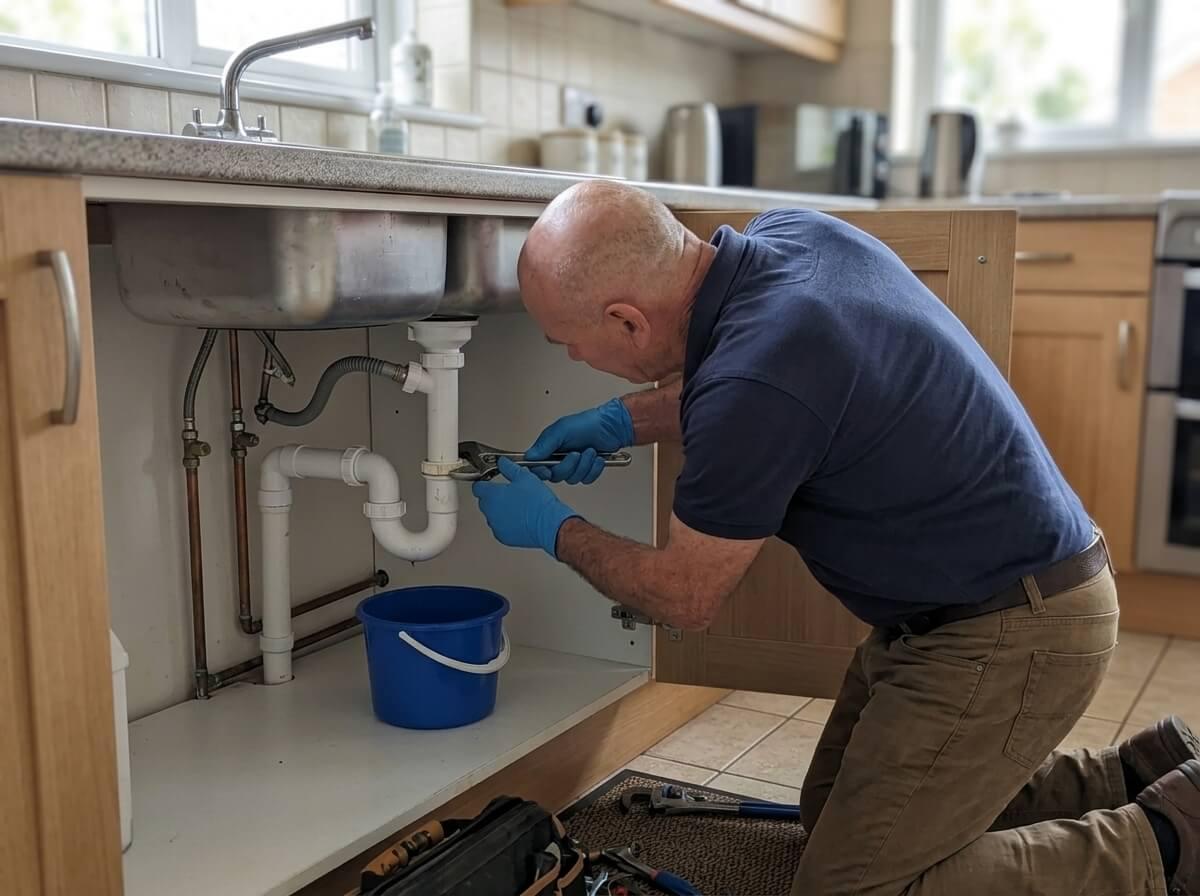
The trap, the U-bend beneath the sink, is designed to hold a little water that seals out drain smells, but it is also the most common place for blockages to lodge. If a previous blockage was only partly cleared, or if the trap is an older bottle trap that has narrowed with scale and grime, it will keep catching debris and blocking. Occasionally the problem is that the trap or the waste pipe was not fitted correctly in the first place: if the pipe does not have enough fall (a gentle downward slope), water and waste sit in it rather than flowing away, and the sink blocks repeatedly no matter how often you clear it. This is something I check on any recurring blockage, because if the pipework itself is at fault, no amount of clearing will solve it, it needs adjusting or re-fitting.
Limescale and Hard Water in Ipswich
Ipswich and the wider Suffolk area have hard water, and over the years the dissolved minerals deposit as limescale on the inside of pipes, gradually narrowing them. A pipe that is already partly furred with scale has far less room for water and waste to pass, so it blocks more easily and more often, and the scale gives grease and debris something to cling to. Hard water alone rarely blocks a pipe, but combined with grease or soap it accelerates the problem and makes recurring blockages more likely. In older properties with original pipework, decades of scale can significantly reduce the effective diameter of the waste pipe.
A Blockage Further Down the System
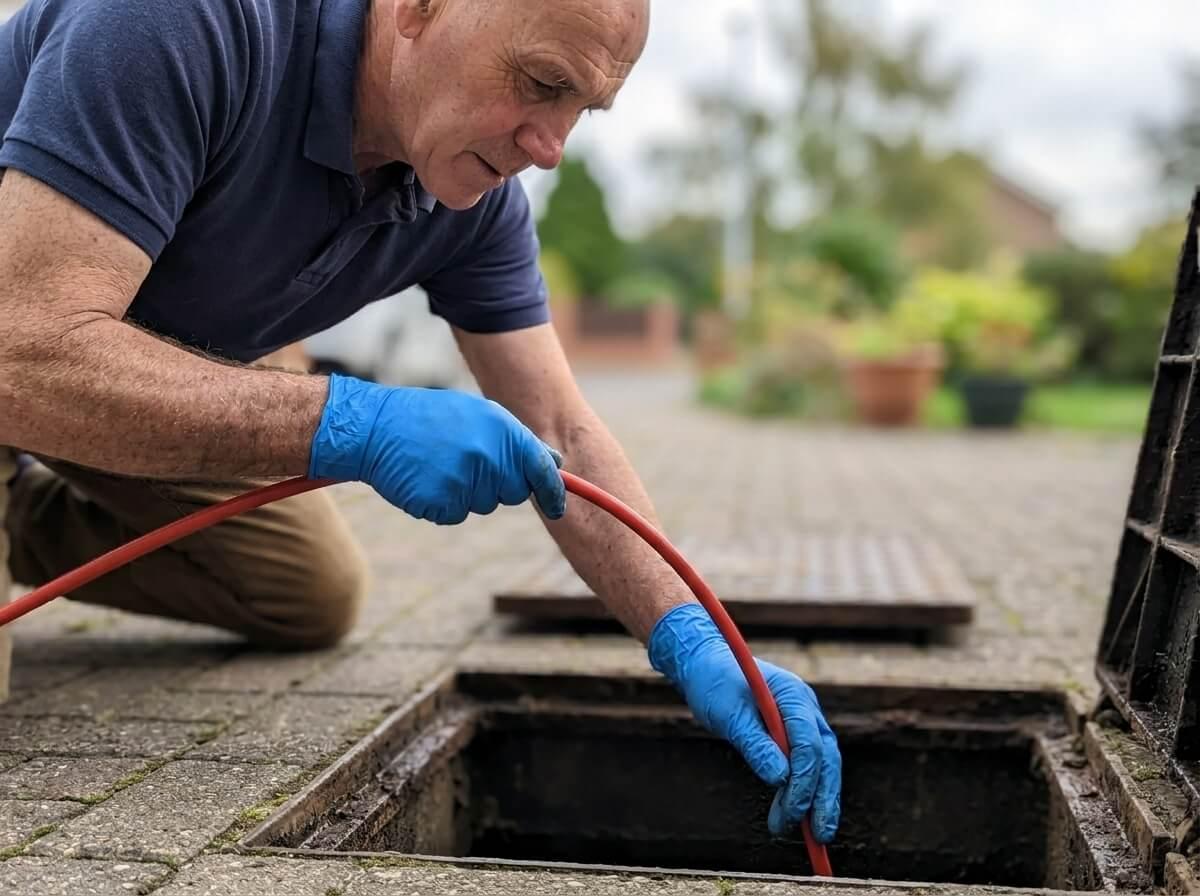
Sometimes the reason a sink keeps blocking is that the real obstruction is not in the sink’s own pipe at all, but further down the shared waste pipe or drain that several fixtures feed into. If clearing the trap makes no lasting difference, or if more than one fixture is affected, the sink and the bath, or both bowls of a double sink, backing up together, the blockage is downstream in the common pipework. This is a bigger job than clearing a single trap, because the obstruction has to be reached and cleared at the right point, and it will keep causing repeat blockages until it is. In older Ipswich homes, a partially collapsed or root-affected underground drain can be the hidden cause of persistent problems across the whole property.
Why Quick Fixes Keep Failing
The reason the same sink keeps blocking despite your best efforts usually comes down to the difference between clearing a blockage and clearing the pipe. A plunger or a shop-bought unblocker might restore the flow temporarily by making a channel through the obstruction, but the underlying grease lining, hair mat or scale build-up remains, so it rebuilds and blocks again. Chemical unblockers are particularly poor for this: they are often ineffective against a solid mass, they can damage older pipes and seals, and they leave hazardous caustic liquid in the pipe. The lasting fix is to remove the build-up properly and, crucially, to address whatever is causing it, the habit, the fitting fault, or the deeper blockage. That is why a professional clearance that finds the cause is far better value than repeatedly buying unblocker for a problem that never truly goes away.
If your kitchen sink is blocked right now, start with my step-by-step guide on how to unblock a kitchen sink, then come back here to stop it happening again.
How to Fix a Recurring Sink Blockage for Good
Solving a sink that keeps blocking is a two-part job: clear the pipe thoroughly, and remove the cause. When I attend a recurring blockage, I clear the trap and pipe properly rather than just restoring flow, check that the trap and waste pipe are correctly fitted with adequate fall, and assess whether the problem extends further down the system. I will also tell you honestly if the cause is habit-based, grease or hair going down the plughole, so you can change it, or if it is a pipework or drainage fault that needs a more involved repair. Getting to the root cause is the difference between a sink that is clear for a fortnight and one that stays clear for good.
How to Stop Your Sink Blocking Again
- ●Never pour fats, oils or grease down the kitchen sink: let them cool and put them in the bin. Wipe greasy pans with kitchen roll before washing.
- ●Scrape plates and use a sink strainer to catch food scraps, coffee grounds, tea leaves and rice or pasta, which swell in water.
- ●Fit a hair guard over bathroom plugholes and clear it regularly.
- ●Run hot water through the kitchen sink after washing up to keep any grease moving rather than settling.
- ●Clean the trap under the sink occasionally before build-up becomes a blockage.
- ●Deal with slow drainage early: a partial blockage is far easier to clear than a full one.
- ●If blockages persist despite good habits, have the pipework and drainage checked for a fitting fault or a deeper obstruction.
Double Sinks, Dishwashers and Washing Machines
If your kitchen has a double sink, a dishwasher or a washing machine connected to the same waste, a recurring blockage often behaves in ways that point to where the real problem lies. When both bowls of a double sink back up together, or water rises in one bowl as the other drains, or the dishwasher or washing machine backs up into the sink, the obstruction is downstream of where those appliances and bowls join, in the shared waste pipe rather than in any single trap. Clearing one trap will not fix it, because the blockage is further along, and it will keep recurring until it is reached and cleared at the right point.
Appliance connections add their own contribution to blockages. Dishwashers and washing machines discharge warm, greasy, detergent-laden water that cools and deposits grease and scum in the waste pipe, while lint and food particles add to the build-up. If the appliance waste hose is poorly fitted, kinked or connected without an adequate air gap, it can also cause slow drainage and repeated blockages. When I attend a recurring kitchen blockage involving appliances, I check the shared waste pipe and the appliance connections, not just the sink trap, so the actual cause is found. If you notice the sink backing up specifically when the dishwasher or washing machine drains, mention it when you call, it is a valuable clue that tells me where to look and helps me bring the right equipment to clear the shared pipework properly the first time.
Catch It Early: Slow Drainage Is a Warning
The best time to deal with a sink problem is before it becomes a full blockage, and a slow-draining sink is the warning sign that gives you that chance. When water starts to linger in the bowl rather than emptying briskly, it means the pipe is partially obstructed, grease, hair or scale is narrowing it, and left alone it will only get worse as more debris catches on the build-up until the flow stops entirely. Acting at the slow-drainage stage is far quicker, cleaner and cheaper than waiting for a complete blockage and the backed-up water and potential leaks that come with it. A partial blockage often clears with simple steps, cleaning the trap, a plunger, or hot water and washing-up liquid, whereas a solid, fully compacted blockage frequently needs professional clearing. The same goes for early warning smells or a gurgling sound as the sink drains: these are the pipe telling you build-up is forming. Treating a sink that is merely slow, rather than ignoring it until it blocks, is one of the simplest ways to avoid a bigger, messier and more expensive problem later. If your sink is draining slowly and simple steps do not fix it, have it looked at before it blocks completely.
When to Call a Plumber in Ipswich
If your sink keeps blocking despite clearing it and changing your habits, that is the clearest sign there is an underlying cause, a partly cleared pipe, a fitting fault, scale build-up, or a blockage further down the system, that needs professional attention. Rather than keep spending money on unblocker for a problem that returns, it is worth having it sorted properly once. I clear recurring blockages across Ipswich and Suffolk, find and fix the real cause, and give honest advice on preventing a repeat. You can read more on our blocked sinks page, or simply call. At PD Parnell Plumbing I offer a 24-hour service and transparent pricing agreed up front, call 07977 857224 and let’s get your sink flowing properly for good.