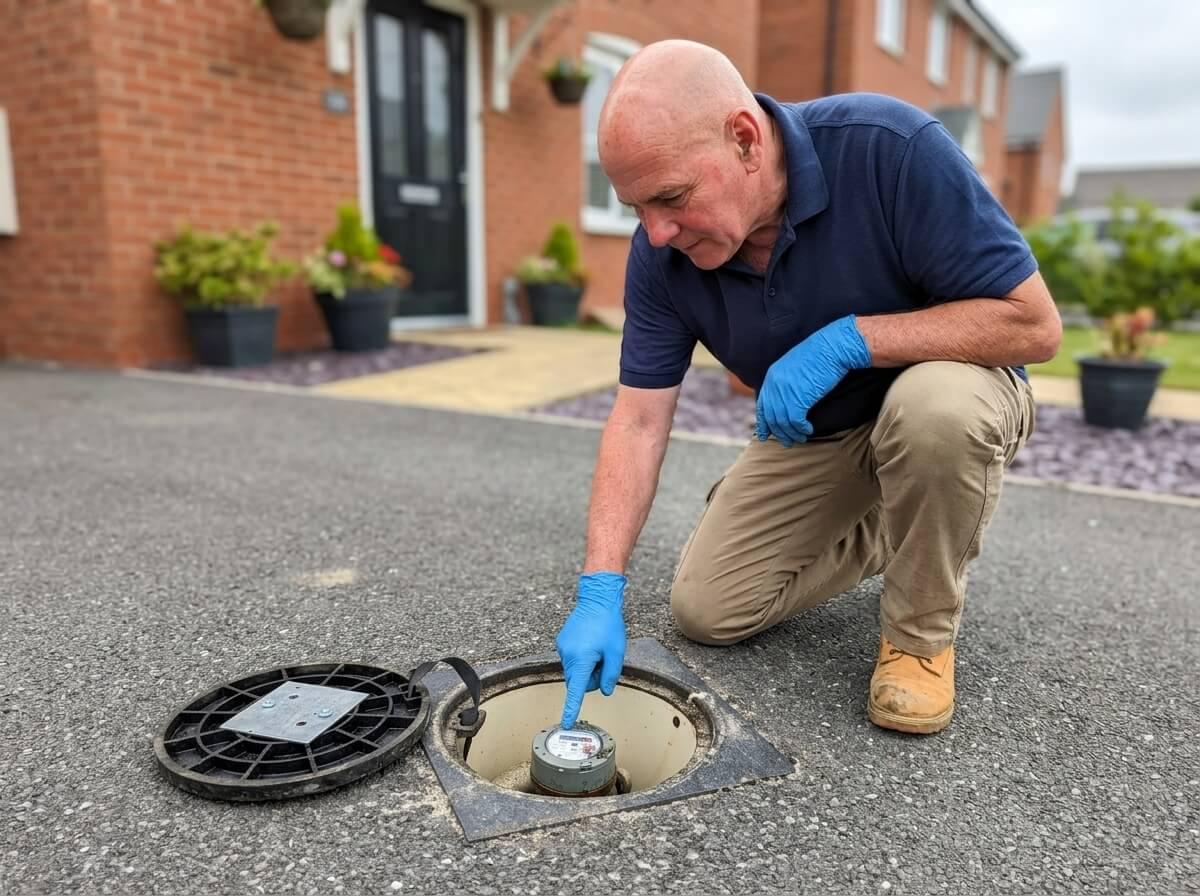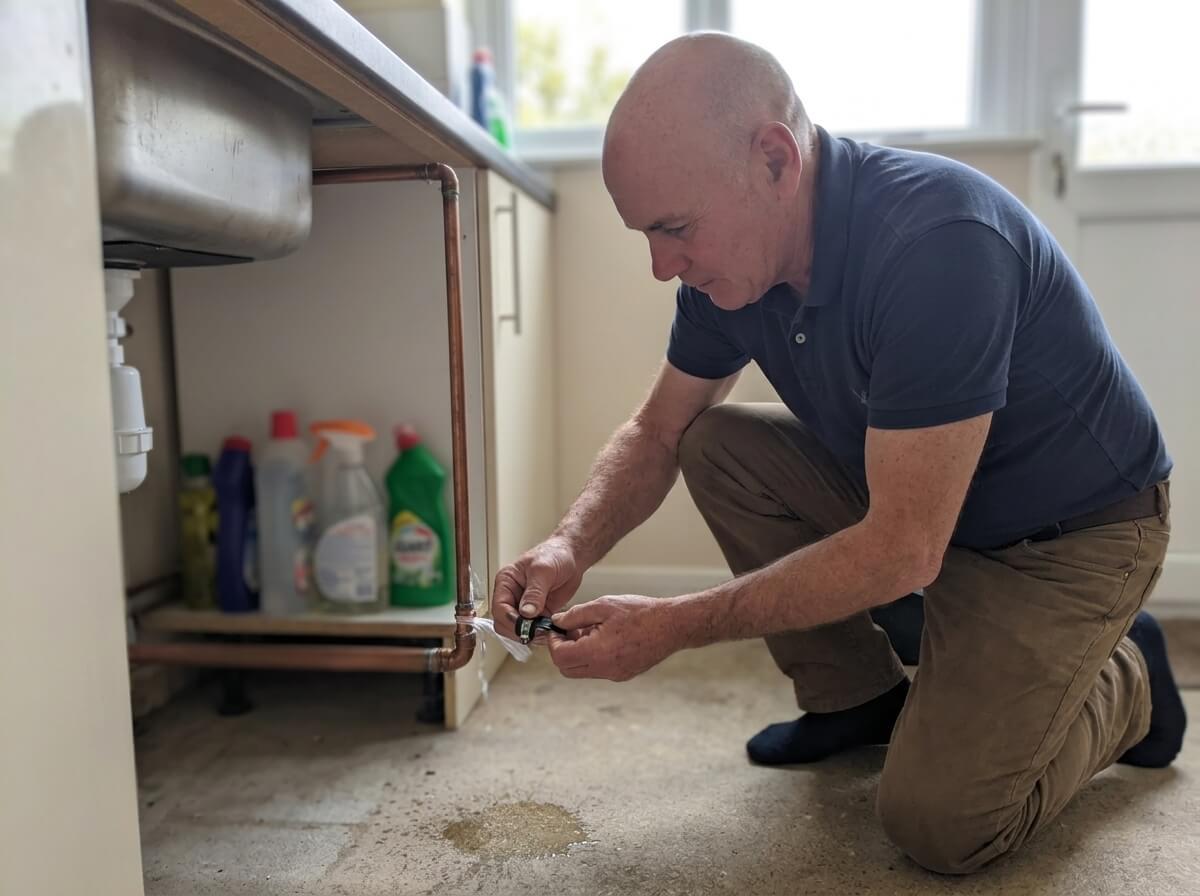
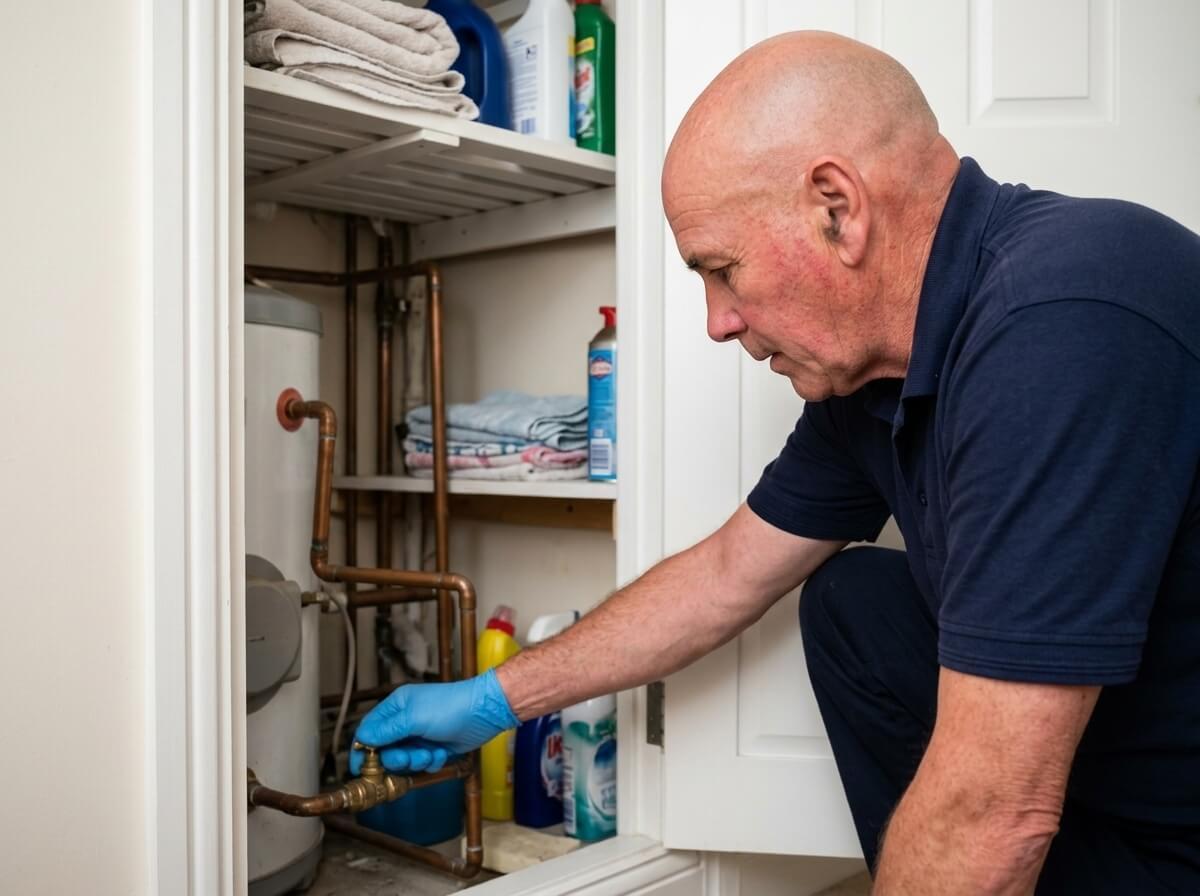
It is the question I get asked more than any other on the phone in the middle of a leak. Someone has found the stopcock, turned it off, and the water has stopped. Then, standing in a wet kitchen, they think: hang on, the boiler is still on. Is that dangerous? Will it blow up? Will it break? Should I turn it off too? And if the heating goes off, will the pipes freeze?
You will find two kinds of answer online. One says switch the boiler off the moment the water goes off. The other says carry on, the heating does not use mains water. Both are right in some situations and wrong in others, which is why people end up confused. After more than forty years of plumbing around Ipswich, the honest answer is that it depends on two things: why the water is off, and what kind of system you have. This guide takes you through both, then shows you how to get everything running again safely afterwards.
Why the Heating Does Not Need the Mains
Your home has two separate lots of water in it, and they never mix. The first is the water you drink and wash in: it comes in from the mains through the stopcock, goes to the taps, toilets and shower, and in many homes into a hot water cylinder or a combi boiler to be heated. Turn the stopcock off, and this water stops.
The second is the water in your central heating: the boiler, the pump, the radiators and the pipes between them. That water goes round and round in a closed loop. It was filled once when the system was put in, and it only needs a top up now and then. On most modern homes it is topped up through a filling loop, a short braided hose or a built-in key under the boiler that briefly connects the mains to the heating. On older homes it is topped up automatically from a small feed and expansion tank in the loft.
So when the mains goes off, the heating loop is still full. The boiler heats the same water it always does, the pump pushes it round the radiators, and you stay warm. What changes is everything on the drinking water side, and that is where the type of system matters.
What Kind of System Do You Have?
If you are not sure, look in the airing cupboard and the loft. No cylinder and no tanks means a combi. A cylinder with no tank in the loft is almost always a system boiler with an unvented cylinder. A copper cylinder plus tanks in the loft means a regular boiler.
| SYSTEM | HOW TO SPOT IT | HEATING WITH WATER OFF? | HOT WATER WITH WATER OFF? |
|---|---|---|---|
| Combi boiler | One boiler on the wall, no hot water cylinder, no tanks in the loft. Hot water comes straight from the boiler. | Yes. The heating is a sealed loop, filled once through the filling loop. | No. A combi heats mains water as it flows through, so no mains means no hot water. |
| System boiler with an unvented cylinder | A boiler plus a white or metal cylinder, often with a small expansion vessel and safety valves, and no cold tank in the loft. | Yes, for the same reason. It is a sealed loop. | Very little. The cylinder stays full, but it needs mains pressure to push the hot water out. |
| Regular (conventional) boiler with loft tanks | A boiler, a copper cylinder in the airing cupboard, a large cold tank and a small feed and expansion tank in the loft. | Yes. The small tank in the loft keeps the heating topped up, and it holds enough for days. | Yes, until the big cold tank in the loft runs low. The cylinder itself stays full. |
| Air source heat pump | An outdoor unit with a fan, and usually an unvented cylinder indoors. | Yes. Like a system boiler, the heating side is sealed. | Very little from an unvented cylinder until the mains is back. |
| Stove or range with a back boiler | A wood burner, multi-fuel stove or solid fuel range that also heats water or radiators. | Only if the system is full and the loft tank has water. Never run it if the heating or hot water side is leaking. | As a regular system. If in doubt, let the fire die down and add no more fuel. |
Combi boilers
A combi has no store of hot water. When you open a hot tap, mains water flows through the boiler, a sensor spots the flow and the boiler fires to heat it on the way through. With the mains off there is no flow, so the boiler simply does not fire for hot water. It is not harmed by this, and the heating side carries on as normal. You may notice the boiler try to fire briefly when you first open a hot tap and then give up. That is normal too.
System boilers with an unvented cylinder
An unvented cylinder is a sealed tank of hot water that is pushed out to the taps by mains pressure. With the mains off, it stays full, but there is nothing pushing the water out, so you get a short burst and then very little. The cylinder will not empty itself, and the immersion heater and the boiler coil inside it are safe because they are still under water. Do not try to drain it to get water out: it has safety valves that should only be touched by someone qualified to work on unvented cylinders.
Regular boilers with tanks in the loft
Older homes, and plenty of Victorian and 1930s houses across Ipswich, still have a big cold water tank in the loft feeding a copper cylinder in the airing cupboard. With the mains off, the loft tank stops refilling, but you can keep using hot and cold water from it until it runs low. The cylinder stays full even then, because hot water is drawn off from the top while the cold feeds in at the bottom, so it cannot run dry through the taps. The heating is fed from the smaller tank next to it, which holds enough to keep the heating topped up for days.
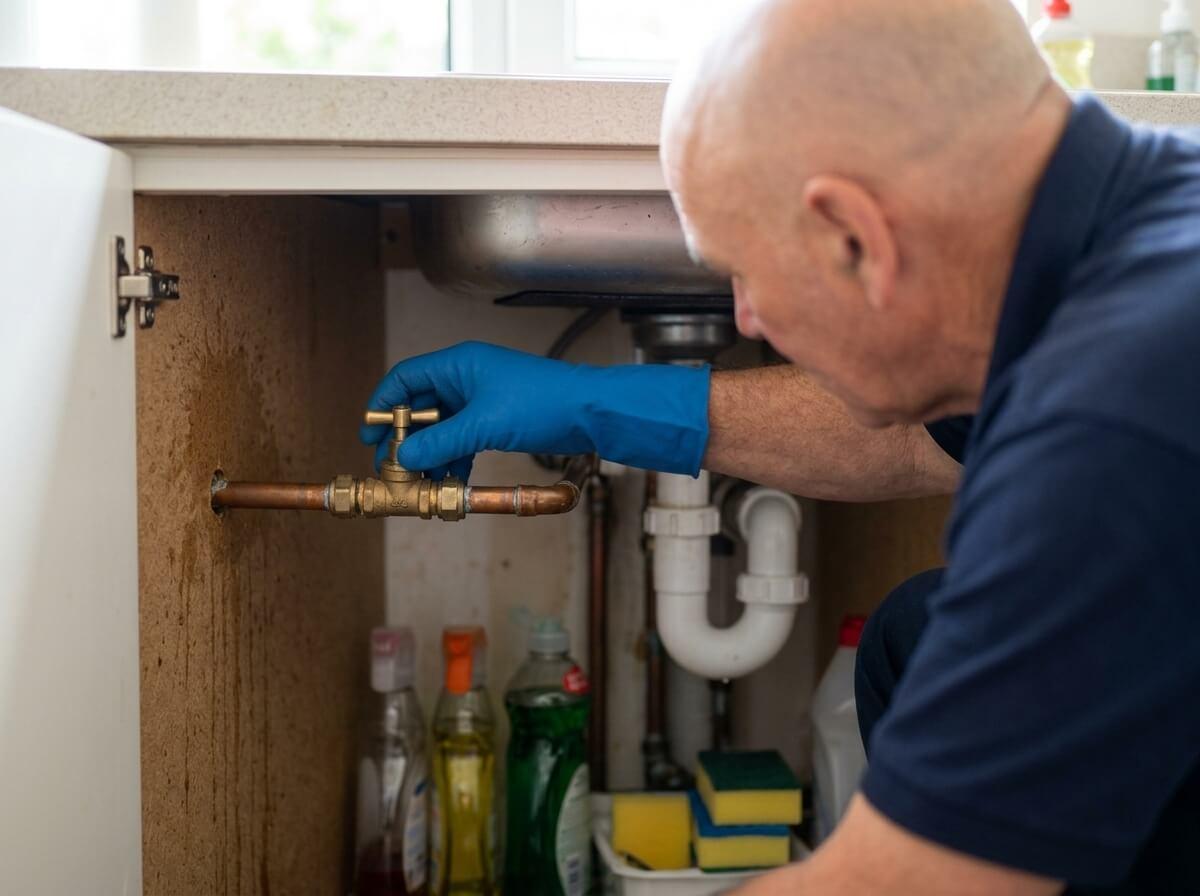
Boiler On or Off? It Depends Why the Water Is Off
This is the part most guides skip. The water being off is not the problem for a boiler. The reason it is off can be. Find the row that matches your situation.
| WHY THE WATER IS OFF | BOILER | IMMERSION HEATER |
|---|---|---|
| The water company has turned off the supply in your street | Safe to leave on Heating works as normal. A combi gives no hot water until the mains is back. | Safe to leave on Fine while the cylinder is full, which it will be. |
| You turned the stopcock off for a dripping tap, a toilet or a planned job, and drained nothing | Safe to leave on Nothing on the heating side has changed. Keep an eye on the pressure gauge. | Safe to leave on Fine. The cylinder is still full. |
| A burst or leak on a cold pipe, stopcock off, taps open to drain | Switch off Off while you deal with it. Back on once the leak is isolated and the gauge reads normally. | Depends, see note Off while pipes are draining. Back on once a hot tap runs steadily. |
| A leak on a radiator, heating pipe, radiator valve or the boiler itself | Switch off Off now, at the controls and the fused switch. Turning the stopcock off will not stop this leak. | Safe to leave on Usually fine. The immersion heats the cylinder water, not the heating circuit. |
| A leak on a hot water pipe or the hot water cylinder | Switch off Off, so it is not heating a cylinder that may be emptying. | Switch off Off now. An immersion that runs dry burns out, and the water is near electrics. |
| Water leaking near or into the boiler casing, wiring or a fused spur | Switch off Off at the consumer unit, not just the controls. Do not touch wet switches. | Switch off Off at the consumer unit if it is on the same circuit or nearby. |
| Going away and turning the stopcock off so nothing can flood | Safe to leave on Leave it on low, around 12 to 15°C, or on frost protection, so pipes do not freeze. | Switch off No need to heat water nobody is using. |
| No water in a freeze, or the boiler has stopped in frosty weather | Depends, see note Keep the heating on to help thaw pipes. If it has locked out, check the condensate pipe outside. | Safe to leave on Fine while the cylinder is full. |
| The pressure gauge reads below about 0.5 bar, or the boiler shows a fault code | Switch off Do not keep resetting it. Find out why the pressure dropped first. | Safe to leave on Unaffected, unless there is also a hot water leak. |
When the water company has turned it off
A burst main in the road or planned work means nothing has changed inside your house. Leave the heating on. If you have a combi, you will be without hot water until the supply returns. If you have a cylinder, use the hot water sparingly. My guide on what to do when there is no water in the house explains how to tell whether it is the street or your own pipes, and who to call.
When you have turned it off because of a leak or a burst
This is where switching off matters. Turning the stopcock off only stops water on the mains side. It will not stop a leak on a radiator, a heating pipe or the boiler, because that water is in the sealed loop, and the pump will keep pushing it out of the hole for as long as the boiler runs. It will not always stop a leak on a hot pipe either, because the cylinder or loft tank can keep feeding it. So until you know exactly where the leak is, switch the boiler off at its controls and at the fused switch next to it, and switch the immersion off.
Once you have found the leak, and it turns out to be on a cold mains pipe, say a split under the sink or a burst in the loft that you have isolated, and the boiler pressure gauge still reads normally, the heating can go back on. In winter that is important, because a cold house is how one burst turns into three. My guides on what to do when a pipe bursts and how to stop a leaking pipe cover the leak itself.
When water is near the boiler or the electrics
A boiler is an electrical appliance. If water is dripping onto it, running down the wall behind it, or pooling under a fused spur or an immersion switch, turn the power off at the consumer unit, not just at the boiler, and do not touch wet switches. That matters far more than the heating. Water coming through a ceiling onto a light fitting is the same, and my guide on water leaking through the ceiling explains what to do.
Will Turning Off the Water Damage My Boiler?
No. Closing the stopcock does nothing to a healthy boiler. Modern combi and system boilers have a low pressure switch that stops them firing if the heating pressure falls too far, and an overheat thermostat behind that. The damage I see comes from three other things:
- ✕Resetting over and over. A boiler that keeps locking out on low pressure is telling you the heating loop is losing water. Resetting it ten times does not fix the leak, and running a pump and heat exchanger short of water wears them out.
- ✕An immersion heater running dry. If a cylinder or hot pipe leaks and the immersion is left on, the element can burn out once the water drops below it. It is a cheap part, but an expensive call out at midnight.
- ✕A solid fuel back boiler with no water. A stove or range that heats water must never be fired if its tank or pipes have emptied. Let the fire die down and do not add fuel.
Check the Pressure Gauge: What the Numbers Mean
Combi and system boilers have a pressure gauge on the front or underneath, sometimes a dial and sometimes a number on the display. It tells you how full the heating loop is. Turning the mains off does not change it, so it is the best way to tell whether you have a heating leak or just no mains water.
- ●Below about 0.5 bar: too low. Most boilers lock out. Something has lost water from the heating, a leak, a radiator that has been bled, or a pressure relief valve that is dripping outside.
- ●About 1 to 1.5 bar with the heating cold: normal for most homes. Check your boiler manual, as a few ask for slightly different figures.
- ●Up to about 2 to 2.5 bar with the heating hot: normal. Water expands as it heats, and the pressure rises.
- ●Around 3 bar or more: too high. The pressure relief valve will open and drip water out of a small copper pipe outside. Often the filling loop has been left open or is letting by.
If the gauge is falling while the water is off, the leak is on the heating side, not the mains. Switch the boiler off and look at the radiators, radiator valves, any pipes you can see, and under the boiler for drips. My guide on the signs of a hidden water leak covers the less obvious places.
Can I Use the Immersion Heater With the Water Off?
If your hot water cylinder is still full, yes. A cylinder does not drain when the mains or the loft tank stops, because of the way the pipes are arranged: cold goes in at the bottom, hot comes out at the top. So the element stays under water. The times to switch the immersion off are when the cylinder itself or a hot pipe is leaking, when the hot side has been drained for a repair, or when you are going away and nobody needs hot water.
A simple check before switching it back on after any work: open a hot tap. If water comes out steadily, the cylinder is full and the immersion is safe. If you get nothing but spitting air, leave it off and call a plumber.
Going Away? Turn the Water Off, Leave the Heating On
In winter, this is the single best thing you can do before a holiday or a stay in hospital. Turning the stopcock off means a split pipe can only leak what is already in the pipes, rather than running for a week into the ceilings. Leaving the heating on low means nothing freezes in the first place. Because the heating does not draw from the mains, the two go together perfectly.
- ●Set the heating low, around 12 to 15°C, or at least use the frost setting. The frost setting protects the boiler, not necessarily pipes in the loft or on outside walls.
- ●Turn the stopcock off and the immersion heater off.
- ●Leave the loft hatch open a little if you have pipes and tanks up there, so some warmth reaches them.
- ●Check your home insurance. Many policies have conditions for homes left empty in winter, and some ask for the water to be turned off and drained.
My guide on frozen pipes covers what to do if you come back to no water, including the frozen condensate pipe that stops so many boilers in a cold snap.
When the Water Comes Back On: 6 Steps
Whether the water company has restored the supply or a leak has been fixed, do these in order. They take ten minutes and avoid most of the problems I get called back for.
Run the kitchen cold tap first
Open it slowly and let it run until it is clear and steady. Expect air to spit and the water to look cloudy or a little brown at first. Cloudy water that clears from the bottom of a glass is just air. Then run the other cold taps and flush the toilets.
Run the hot taps
With a combi, open a hot tap: the boiler should fire within a few seconds. With a cylinder, run each hot tap until the air is out. Spitting that goes on and on, or no flow at all, can mean an airlock, which is common with loft tanks after the supply has been off.
Check the boiler pressure gauge
With the heating cold, it should read about 1 to 1.5 bar. If it is below 1, top it up using the filling loop: open both valves slowly, watch the gauge rise to 1.5 bar, then close both firmly. If yours has a removable braided hose, take it off afterwards.
Reset the boiler if it locked out
Press the reset button once and give it a minute. If it fires and runs, you are done. If it locks out again, do not keep resetting it. Note the fault code and call a heating engineer.
Check the loft tank is refilling
If you have tanks in the loft, look in the big cold tank. You should hear and see the float valve filling it. If it stays empty, the float valve may have stuck after being dry, which is a quick fix.
Switch the immersion back on last
Only once a hot tap runs steadily, which proves the cylinder is full. Then put the heating and hot water back to their normal settings.
What Not to Do
- ✕Do not assume the stopcock stops every leak. It does not stop the heating circuit, and may not stop hot pipes, the bathroom cold taps or a toilet fed from a loft tank.
- ✕Do not keep resetting a boiler that keeps locking out. Three resets and it is time to find out why.
- ✕Do not top up the pressure with the mains off, or overfill it above 1.5 bar cold.
- ✕Do not open the boiler casing. The water side of a heating system is plumbing. The inside of a gas boiler is a job for a qualified heating engineer.
- ✕Do not touch the safety valves on an unvented cylinder to get water out. They are there to stop the cylinder over-pressurising.
- ✕Do not switch the heating off in a freeze just because the water is off. A cold house is how one frozen pipe becomes several.
When to Call a Plumber
Call me straight away, day or night, if:
- ●You have turned the stopcock off and water is still coming out. It is probably fed from a loft tank, a cylinder or the heating, and needs isolating properly.
- ●A radiator, radiator valve or heating pipe is leaking, or the boiler pressure keeps falling.
- ●The hot water cylinder or a pipe in the airing cupboard is leaking.
- ●A pipe has burst and you need it repaired so the water can go back on.
- ●Your stopcock will not turn, so you cannot shut the water off at all.
For a pipe or a valve that will not budge, my guide on a stuck or seized stopcock shows what to try. When I arrive, I find and isolate the leak, repair the pipe or valve, refill and repressurise the system, bleed out the air and check the boiler fires and the hot water runs before I leave. Before I start, I agree a fair price with you, so there are no surprises. You can read more about burst pipe repair and leak detection in Ipswich, and my guide on how much an emergency plumber costs explains call-out pricing.
Leak, Burst or No Heating in Ipswich? Call Philip
In most homes, turning the water off and leaving the heating on is perfectly safe, and in winter it is the right thing to do. If the reason the water is off is a leak you cannot find, a heating leak, or a burst you cannot isolate, switch the boiler off and call me. I answer the phone myself and can talk you through what to switch off while I am on my way.
I cover Ipswich, Felixstowe, Woodbridge, Kesgrave, Stowmarket and the surrounding towns, 24 hours a day, seven days a week, on 07977 857224. You can see everything else I cover on the emergency plumbing services page.