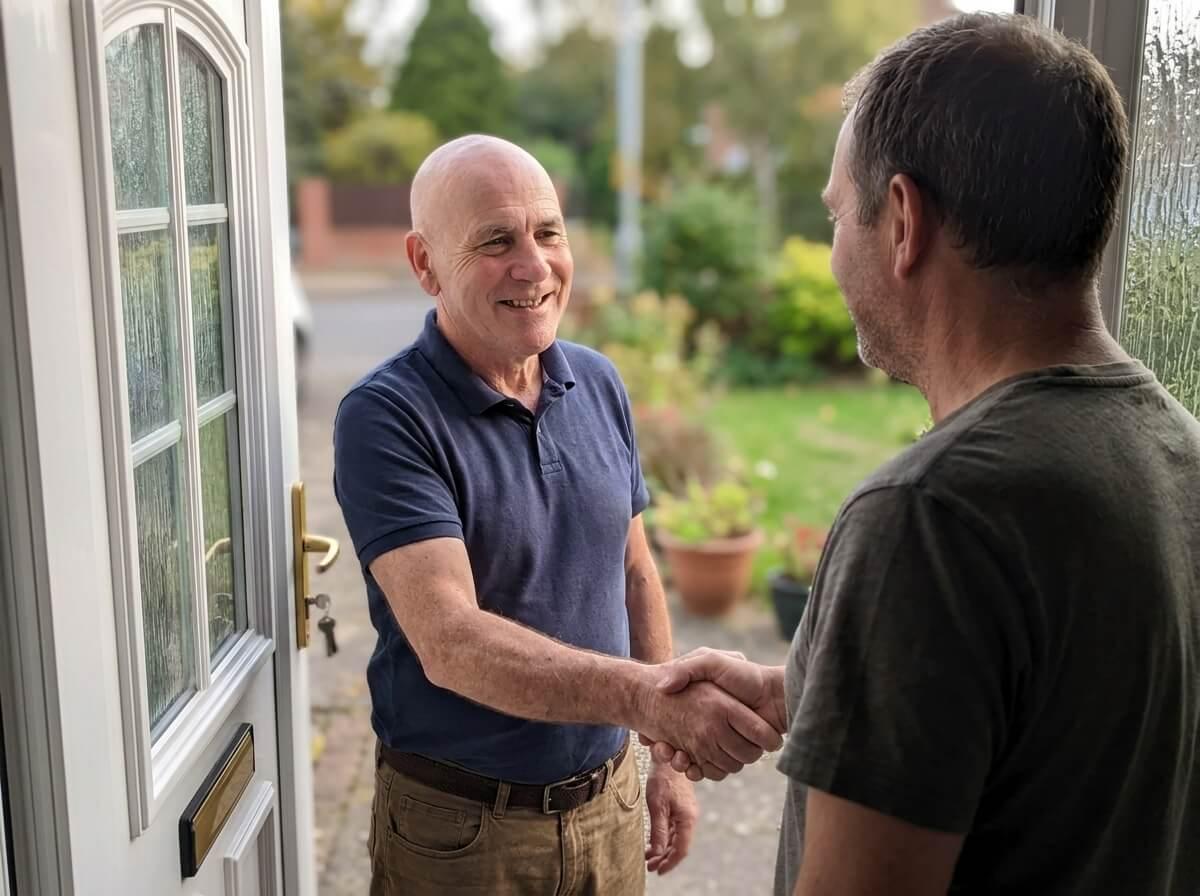
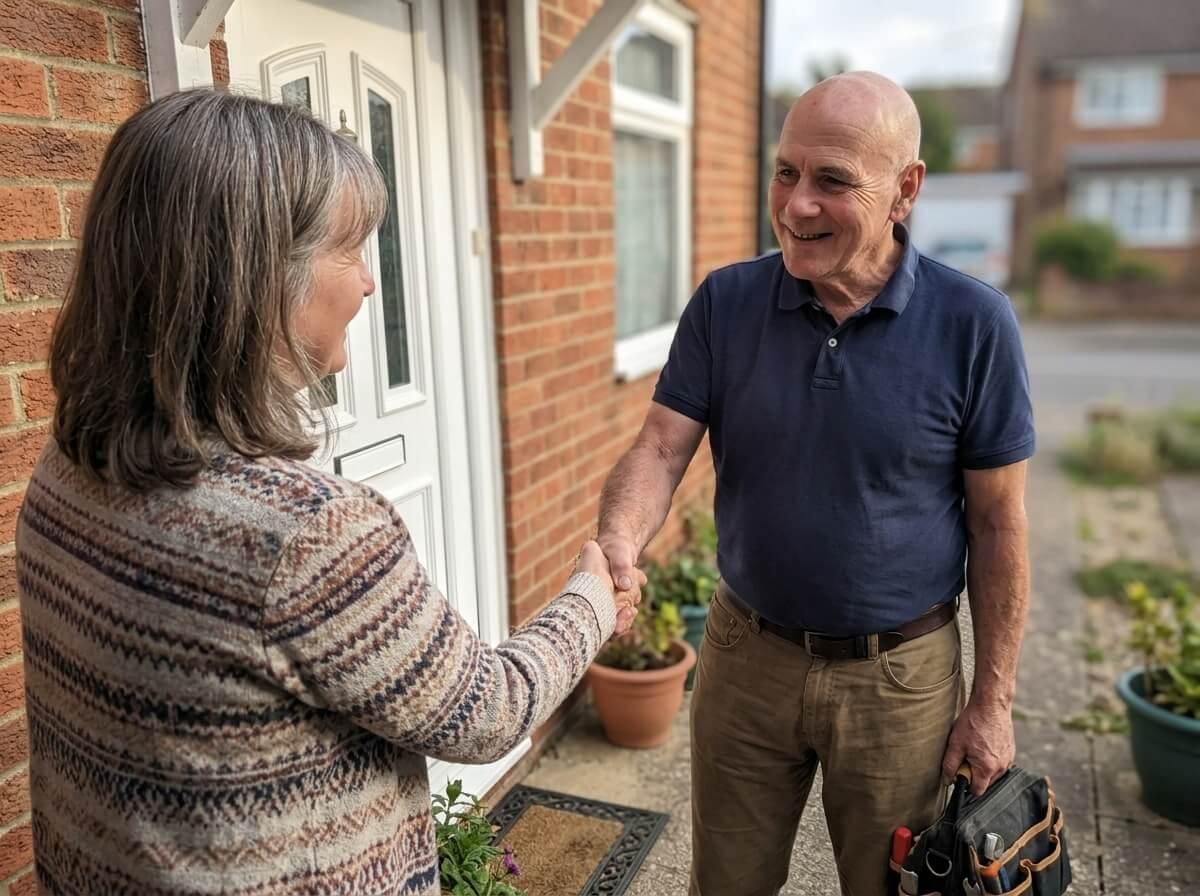
When water is coming through the ceiling at midnight, the last thing you want is uncertainty about what it will cost to make it stop. Emergency plumbing pricing has a reputation for being murky, and unfortunately some operators do trade on people’s panic. It does not have to be that way. In more than forty years as an emergency plumber in Ipswich, I have always believed the right approach is simple: be honest about how pricing works, and give a clear quote before starting. This guide explains how emergency plumbers in the UK charge, what affects the price, the traps to watch for, and how to make sure you are treated fairly, so you can make a sensible decision even under pressure.
How Emergency Plumbers Charge
There are two common charging models in the UK, and it helps to know which you are dealing with:
- ●Hourly rate: you pay for the plumber’s time, usually with a minimum charge for the first hour, plus the cost of any parts. Standard daytime rates commonly start from around £50 per hour, though this varies by region and by plumber.
- ●Call-out fee plus labour: a fixed fee to attend (which may or may not include the first hour), then an hourly rate on top, plus parts. Some firms roll a call-out charge into a higher first-hour rate.
For emergencies and out-of-hours work, evenings, nights, weekends and bank holidays, rates are typically higher than standard daytime rates, reflecting the urgency and the unsociable timing. That is normal and reasonable across the trade. What matters is not so much which model a plumber uses, but that they are transparent about it and give you a clear figure before they start.
What Affects the Price of an Emergency Call-Out
No two emergencies are identical, and several factors determine what a job will cost:
- ●Time of day: out-of-hours, weekend and bank-holiday call-outs cost more than standard daytime work.
- ●The nature and severity of the job: stopping and repairing a simple burst is quicker and cheaper than tracing a hidden leak or clearing a stubborn drain that needs specialist equipment.
- ●How long it takes: most models are time-based, so a complex job that takes several hours costs more than a quick fix.
- ●Parts and materials: replacing a length of pipe, a valve, a cistern mechanism or a tap adds the cost of the part.
- ●Accessibility: a leak buried under a floor or behind a wall takes longer to reach and repair than one in an accessible spot.
- ●Location and travel: a plumber travelling a long distance may charge for it; a genuinely local plumber can keep this down.
- ●Whether further work is needed: sometimes an emergency repair makes things safe, and a follow-up visit is needed for a permanent fix.
Emergency vs Standard Rates: Why the Difference?
People sometimes feel that being charged more for an emergency is unfair, but there is a sound reason for it. An emergency plumber is on call around the clock, ready to drop everything and come out at 2am, at the weekend or on a bank holiday. That availability has a cost, it means being reachable and prepared when other trades are unavailable, and working at times most people would not. The higher emergency rate reflects the urgency, the speed of response and the timing, not opportunism. A fair emergency plumber will charge a reasonable premium and be upfront about it; the ones to avoid are those who exploit a crisis with vague or wildly inflated pricing. It is also worth remembering that calling promptly usually saves money overall, because a fast response limits water damage to floors, ceilings and belongings that would be far more expensive to put right.
The Warning Signs of Overcharging
Most plumbers are honest, but a genuine emergency is exactly when a small minority try it on. Be wary of any plumber who:
- ●Will not give you any indication of cost before starting, or is evasive when you ask how they charge.
- ●Quotes only a low headline call-out fee, then adds large, unexplained charges once the work is done.
- ●Pressures you to agree to expensive additional work on the spot without a clear explanation.
- ●Has no fixed local presence, verifiable reviews or credentials you can check.
- ●Demands cash-only payment with no invoice or receipt.
The simplest protection is to ask, before they start, how they charge and roughly what the job is likely to cost, and to get that agreed. A trustworthy plumber will have no problem giving you a clear quote and an itemised invoice.
How to Keep Emergency Plumbing Costs Down
- ●Stop the water fast: knowing where your stopcock is and turning it off at the first sign of a leak limits damage and the time needed to put it right.
- ●Call promptly: dealing with a problem while it is small is cheaper than waiting for it to become a major flood.
- ●Describe the problem clearly on the phone so the plumber can bring the right parts and give an accurate idea of cost.
- ●Choose a genuinely local plumber to reduce travel charges and speed up the response.
- ●Ask for a clear quote before work begins, and an itemised invoice afterwards: useful in itself and for any insurance claim.
- ●Keep up simple maintenance (lagging pipes, not flushing wipes, dealing with small leaks early) to avoid emergencies in the first place.
Will Insurance Cover the Cost?
Many home insurance policies cover the damage caused by a sudden event such as a burst pipe, often described as escape of water, while the cost of repairing the pipe itself, and gradual problems from wear or neglect, are frequently excluded unless you have specific home emergency cover. Cover varies a great deal between policies, so it is worth checking your own documents. A good plumber will help by providing an itemised invoice that separates leak detection from the repair and by documenting the cause, which makes a claim smoother. Take photos of the damage before clean-up and notify your insurer early. I am always happy to explain the technical details of a failure to a claims handler.
Typical Emergency Jobs and What Drives the Price
It helps to understand what actually drives the cost of common emergency jobs, because the headline hourly rate is only part of the picture, time, parts and complexity all matter. A straightforward burst on an accessible pipe is often a relatively quick repair: isolate the supply, cut out the failed section, fit new pipe and pressure-test. A hidden leak is different: most of the time is in tracing it accurately before any repair, and a well-hidden leak can take longer to locate than to fix. Clearing a blocked toilet or sink close to the fixture is usually quick, while a blockage further down the soil pipe or drain, or one caused by compacted grease or tree roots, needs more time and sometimes specialist equipment. Repairs to cisterns, taps and valves are generally affordable and completed in a single visit, with the main variable being the cost of the replacement part.
Two factors push the price up more than people expect. The first is access: a leak buried under a floor, behind tiling or within a wall takes longer to reach and to make good afterwards than one in an open cupboard. The second is escalation, a problem left too long, so that what would have been a simple repair has already caused water damage that now needs more extensive work. This is why calling promptly and stopping the water quickly is not just about safety; it genuinely keeps the cost down.
Fixed Price or Hourly, Which Is Better for You?
You will come across both fixed-price and hourly charging in the trade, and each has its place. A fixed price gives you certainty, you know the total before you agree, and works well for clearly defined jobs. Hourly charging is common for emergencies because, at the point of the call, neither you nor the plumber yet knows exactly what is behind the wall or how far a blockage extends, so a fixed price would have to build in a large margin for the unknown. The most important thing, whichever model is used, is transparency: a good plumber will explain how they charge, give you a realistic estimate before starting, keep you informed if something unexpected turns up, and provide an itemised invoice. If a job turns out to be bigger than first thought, you should be told before the extra work is done, not presented with a surprise afterwards. That honest, no-surprises approach matters far more than the label on the pricing.
‘No Call-Out Fee’ and Other Offers, What to Watch
You will often see plumbers advertising no call-out fee, and it sounds appealing, but it is worth understanding what it really means so you can compare offers fairly. A waived call-out fee does not mean the visit is free, the plumber still has to cover their time and travel, so the cost is usually recovered in the hourly rate or the price of the work. In other words, no call-out fee can simply mean the charge is bundled elsewhere. That is not necessarily a bad deal, but it does mean you should always ask about the full picture: the hourly rate, any minimum charge, and an estimate for the actual job, not just whether there is a call-out fee. The same applies to eye-catching low headline rates, which can be a starting figure that rises steeply once the real work is quoted.
Some firms also offer fixed-fee pricing for common jobs, which can be reassuring because you know the total up front, this works well for clearly defined tasks. For emergencies, hourly charging is more common, because until the plumber has seen what is behind the wall or how far a blockage extends, a fixed quote would have to build in a large margin for the unknown. Neither model is inherently better; what matters is transparency. The genuinely fair question to ask any plumber, whatever their advertised offer, is simple: what will this job cost me in total, including labour, parts and any call-out or minimum charge? A trustworthy plumber will answer that clearly before starting. If an offer sounds too good to be true, or the plumber becomes vague when you ask for the full cost, be cautious.
Honest, Transparent Pricing in Ipswich
At PD Parnell Plumbing, my approach to pricing is straightforward: standard work is charged at a fair rate agreed when you call, emergency and out-of-hours call-outs are charged at a higher rate that reflects the urgency and timing, and you always get a clear, no-obligation quote before any work begins, even in the middle of the night, with no hidden extras. As a genuinely local, independent Ipswich plumber with more than forty years of experience and 120+ five-star reviews, my reputation depends on treating people fairly, especially when they are stressed. If you have a plumbing emergency in Ipswich or Suffolk and want honest advice on what it is likely to cost, call 07977 857224 and I will be straight with you.