A blocked drain is one of those problems that sits on a spectrum. At one end is a sink that empties a little slowly, annoying, but hardly a crisis. At the other is wastewater bubbling up into your bath, a toilet that will not flush, or foul water spreading across the floor, which is very much an emergency. Knowing where your situation sits helps you make the right decision: whether to call for an immediate call-out, book a same-day appointment, or simply add it to the to-do list. In more than forty years as an emergency plumber in Ipswich, I have seen both ends of that spectrum, and I have also seen how quickly the small end can become the big end when a blockage is ignored. This guide explains when a blocked drain is genuinely an emergency, what causes blockages, what you can safely do yourself, and when to call for help.
When a Blocked Drain IS an Emergency
Treat a blocked drain as an emergency and call for help straight away if any of the following apply:
- ●Wastewater is backing up into the property: rising in a sink, bath, shower tray or toilet rather than draining away.
- ●A toilet is overflowing, or is the only toilet in the home and will not clear.
- ●Sewage or foul-smelling water is escaping into the house, or there are strong drain smells indoors: a genuine hygiene hazard.
- ●More than one fixture is affected at the same time (for example, flushing the toilet makes the bath gurgle or fill), which points to a blockage in the shared drainage or main drain.
- ●Water is pooling around an external drain or manhole and threatening to enter the property, especially in heavy rain.
- ●There is any risk of water reaching electrics or causing damage to floors, ceilings or belongings.
In these situations the problem is not going to resolve itself, and every hour it is left increases the risk of contamination and damage. Backed-up wastewater is unhygienic, can ruin flooring and skirting, and in the worst cases brings sewage into the home. This is exactly what a 24-hour emergency plumbing service is for.
When It Can Usually Wait (But Should Not Be Ignored)
Not every blocked drain warrants a midnight call-out. A single sink, basin or shower that is draining slowly but still draining, with no smell and no backing-up, is a nuisance rather than an emergency. The same goes for a toilet that flushes sluggishly but still clears, in a home with more than one toilet. These can generally wait for a same-day or next-day appointment, or for you to try a safe home remedy first.
That said, do not mistake can wait for can ignore. Blockages almost always get worse over time as more material catches on the existing obstruction. A sink that drains slowly today can be fully blocked next week, and a minor gurgle can be the early warning of a bigger problem building in the shared pipework (my guide on why a toilet or drain gurgles shows how to read it). Dealing with a small blockage early is quicker, cheaper and far less unpleasant than dealing with an overflow later. As a rule of thumb: if it is causing water where it should not be, or affecting more than one fixture, treat it as urgent; if it is a single slow drain, deal with it soon rather than eventually.
What Causes Blocked Drains?
Most blockages build up gradually until the flow finally gives out. Knowing the usual causes helps you prevent a repeat:
- ●Kitchen drains: fats, oils and grease poured down the sink, which cool and solidify inside the pipe and trap food debris, coffee grounds and tea leaves.
- ●Bathroom drains: hair, soap scum and toothpaste knitting together into a stubborn mat.
- ●Toilets: wet wipes, sanitary products, cotton buds, nappies and excess paper that do not break down.
- ●Outside drains and gullies: leaves, silt and garden debris, especially in autumn.
- ●Underground pipes: in older Ipswich properties, tree-root intrusion and collapsed or displaced clay sections.
- ●Hard water: gradual limescale build-up narrowing pipes over the years, common across Suffolk.
Sometimes a blockage is a simple one-off; often it points to a habit or an underlying issue that will keep recurring unless it is addressed at the root. When I clear a drain, I always try to establish the cause so the fix lasts rather than simply returning in a few weeks.
What You Can Safely Do Yourself
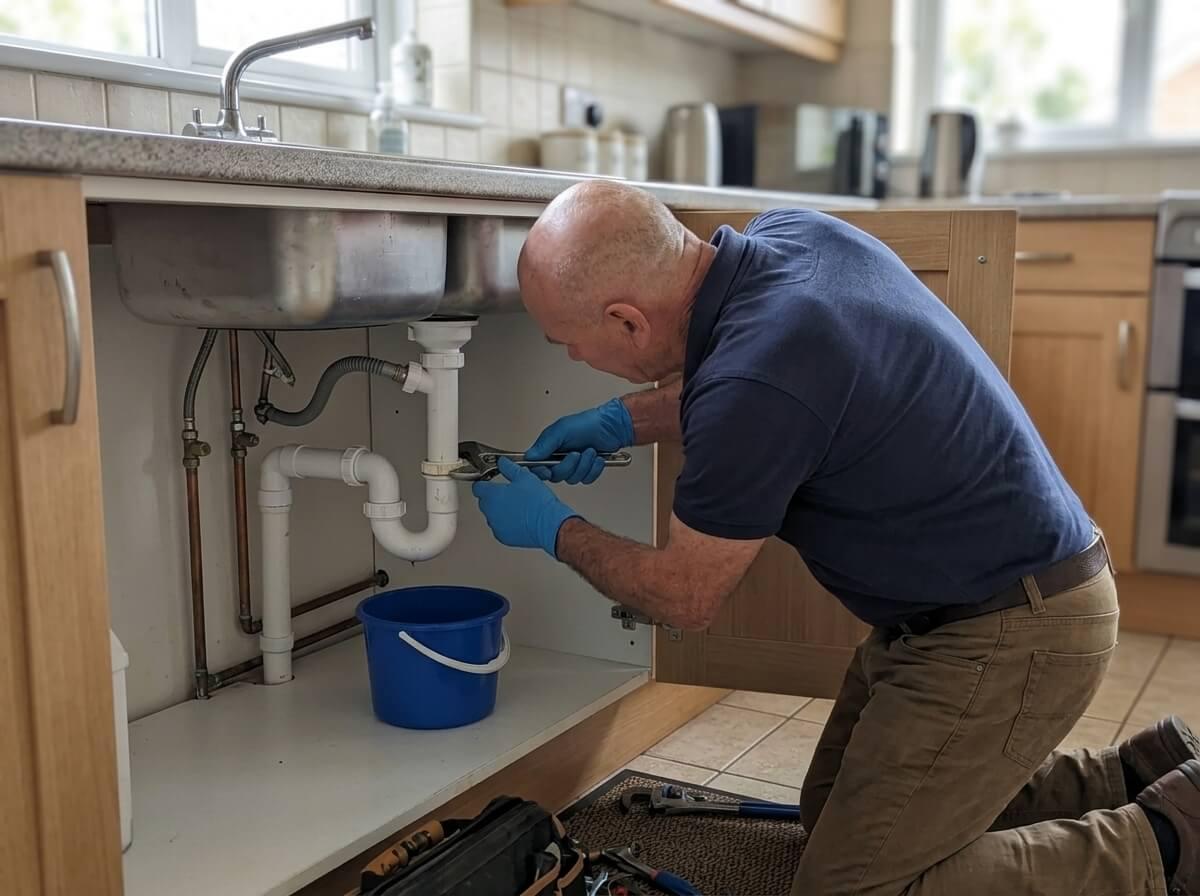
For a minor blockage in a sink or basin, a few safe steps are worth trying before you call anyone. Removing and cleaning the trap, the U-bend under the sink, clears a surprising number of blockages caught there, though keep a bucket underneath as it is a messy job. A plunger used with a good seal (block the overflow and any second bowl first) shifts many blockages. Flushing a kitchen drain with plenty of hot, not boiling, water, sometimes with washing-up liquid, can move mild grease. For a slow bathroom drain, clearing hair from the plughole often does the trick.
What I would steer you away from is harsh chemical drain unblockers. They are frequently ineffective against the real cause, can damage older pipes and seals, and leave hazardous caustic liquid in the pipe that is dangerous for anyone, including a plumber, who then opens it up. If gentle methods do not work, if the blockage keeps returning, or if more than one fixture is affected, that is your cue to call a professional rather than escalate.
Why Ignoring a Blocked Drain Costs More
It is tempting to live with a slow drain, but blockages rarely stay still. As water struggles past an obstruction, more grease, hair and debris catch on it, and the blockage grows until the flow stops entirely. At that point wastewater has nowhere to go but back up into the lowest fixtures in the house. Beyond the immediate mess and hygiene risk, a backed-up drain can put pressure on pipe joints and cause leaks, encourage unpleasant smells and, where water sits against the building, contribute to damp. Outside, a blocked drain or gully that overflows in heavy rain can send water toward the property and cause ingress. Dealing with a blockage promptly, while it is still a slow drain rather than a full stoppage, is almost always cheaper and less disruptive than waiting for it to become an emergency.
How a Professional Clears a Blocked Drain
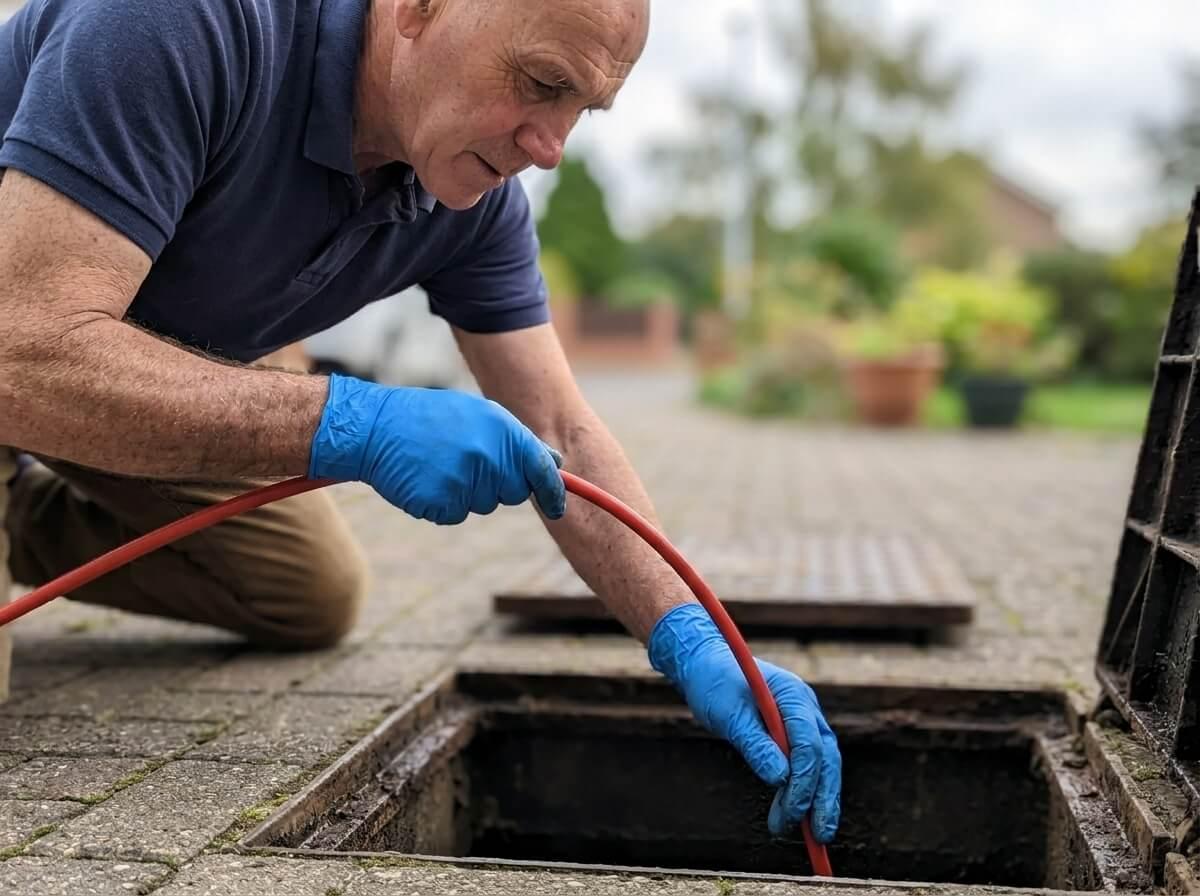
When home methods are not enough, a plumber has the tools and experience to clear the blockage properly and find out why it happened. I choose the right method for the specific problem rather than forcing a single approach: plungers and a drain auger for blockages close to the fixture, and rods or more robust drainage equipment for obstructions further down the soil pipe or drain. Where a blockage is compacted grease or scale, I clear the pipe thoroughly rather than just punching a hole through it, so it does not block again within weeks. Just as importantly, once the drain is flowing I will tell you what caused the blockage and advise on preventing a repeat, and if it turns out to be a recurring or deeper drainage fault, such as root intrusion or a collapsed section in an older Ipswich property, I will explain your options honestly rather than simply clearing it and leaving.
Preventing Blocked Drains
- ●Never pour fats, oils or grease down the kitchen sink: let them cool and bin them.
- ●Use sink strainers and bathroom plug guards to catch food scraps and hair, and clear them regularly.
- ●Flush only pee, paper and poo: never wipes, cotton buds or sanitary products.
- ●Run hot water through the kitchen sink after washing up to keep grease moving.
- ●Keep outside gullies and gratings clear of leaves, especially in autumn.
- ●Act on early warning signs: slow drainage, gurgling or faint smells, rather than waiting for a full blockage.
Don’t Forget Outside Drains and Gullies
When people think of a blocked drain they usually picture an indoor sink or toilet, but outside drains and gullies are just as important and are a frequent cause of problems, particularly in autumn and after heavy rain. The gullies around your property, the grated drains that take water from downpipes, kitchen wastes and yards, collect leaves, silt and garden debris, and when they block, water backs up and pools where it should not, sometimes threatening to enter the property. In older Ipswich homes, the underground drainage can also suffer from tree-root intrusion and displaced or collapsed clay pipe sections, both of which cause recurring blockages that are not obvious from inside the house.
Signs of a blocked outside drain include standing water around a gully or manhole, slow drainage indoors that affects several fixtures at once, unpleasant smells outdoors, and, in heavy rain, water overflowing from a drain or a manhole cover. Because the cause is often out of sight, outside drainage problems can be harder to diagnose than an indoor blockage, and this is where professional experience and the right equipment make the difference. Keeping gratings clear of leaves, especially in autumn, prevents many outdoor blockages, but if water is pooling or backing up, it should be dealt with promptly before it causes ingress or damp against the building. A blocked outside drain that overflows toward the house is very much a situation to treat as urgent. My guide on what to do when an outside drain is overflowing walks through clearing a gully and rodding from the manhole step by step.
Shared Drains and Who Is Responsible
Many properties in Ipswich, particularly terraced and semi-detached homes and blocks of flats, share their drainage with neighbouring properties before it joins the public sewer, and this matters when a blockage occurs, because responsibility depends on where the blockage sits. The drains within your property boundary are generally your responsibility, while shared drains and the public sewer are usually the responsibility of the water and sewerage company. If several homes are affected at once, for example a whole terrace finding their toilets slow or backing up, the blockage is likely in the shared section, and the water company may deal with it. If only your property is affected, it is more likely to be within your own drainage. It is not always obvious from inside the house which applies, which is where a plumber’s assessment helps: I can establish where the blockage sits and advise whether it is a private drain I can clear or a shared-sewer issue to report to the water company, so you are not paying for something that is not yours to fix, and not waiting on the water company for something that is. Either way, a backed-up drain should be dealt with promptly.
Call Your Local Ipswich Plumber
So, is a blocked drain an emergency? It depends entirely on what it is doing. If wastewater is backing up, a toilet is overflowing, sewage or smells are entering the home, or more than one fixture is affected, treat it as urgent and call straight away. If it is a single slow drain, deal with it promptly before it worsens. Either way, you do not have to guess, describe what is happening and I will tell you honestly how urgent it is. At PD Parnell Plumbing I clear blocked drains across Ipswich and Suffolk with a genuine 24-hour service and a typical 30-minute local response for emergencies, and I will find the cause so it does not keep coming back. Call 07977 857224 or see our drain unblocking page for more.