A blocked toilet always seems to happen at the worst possible moment, and usually when there is no plunger in the house. The good news is that a surprising number of everyday toilet blockages can be cleared with things you already have in the kitchen cupboard, without any special tools. In more than forty years as a plumber in Ipswich I have talked countless people through clearing a toilet over the phone, and most soft blockages give way to a bit of heat, some washing-up liquid and a little patience. This guide walks you through the safe methods that actually work, in the order I would try them, plus the warning signs that mean you should stop and call a professional before you make things worse.
First: Stop and Assess Before You Flush Again
The single most important rule with a blocked toilet is to stop flushing. If the bowl is already full or the water is rising, flushing again will simply add more water with nowhere to go, and that is how a blocked toilet becomes an overflowing one, spilling contaminated water onto your bathroom floor. Take your hand off the handle and look at what the water is doing.
If the water level is high and threatening to spill over, act quickly to stop more water entering the bowl. Most toilets have a small isolation valve on the water supply pipe just behind or beneath the cistern; a quarter-turn with a flat screwdriver (so the slot sits across the pipe) shuts off the supply. If you cannot find or move it, lift the cistern lid and gently push the flap valve down or hold the float up to stop the cistern refilling, or turn off your main stopcock. Once you are confident the water will not overflow, you can work on the blockage calmly. Lay down old towels or newspaper around the base to protect the floor, open a window, and put on a pair of rubber gloves.
Method 1: Hot Water and Washing-Up Liquid
This is the method I recommend first, because it is gentle, safe and clears the majority of soft blockages caused by too much paper or organic waste. Squirt a generous amount of washing-up liquid (or a cup of any liquid soap or shampoo) directly into the bowl and leave it for a few minutes. The soap works its way down and lubricates the blockage and the pipe walls.
Next, heat a bucket of water until it is hot but not boiling. This is important: never use boiling water in a toilet. A ceramic pan can crack under sudden extreme heat, and boiling water can soften or warp the wax seal and plastic fittings, turning a simple blockage into an expensive repair. Hand-hot to comfortably steaming is exactly right. Pour the hot water into the bowl from about waist height, the height adds force and helps push the blockage along, while the heat and soap break it down. Give it ten to fifteen minutes. In many cases you will hear the water suddenly drain away as the blockage clears. If the level has dropped, pour another bucket to flush the pipe through, then test with a normal flush.
Method 2: Bicarbonate of Soda and Vinegar
If soap and hot water alone do not do it, the classic combination of bicarbonate of soda (baking soda) and white vinegar is worth a try, and again it uses only safe household items. Add about one cup of bicarbonate of soda to the bowl, followed slowly by two cups of white vinegar. The mixture will fizz and foam, that reaction helps to break down organic matter and shift grease and grime clinging to the blockage. Leave it to work for at least twenty to thirty minutes, or even a couple of hours for a stubborn clog, then pour in a bucket of hot water from height as in Method 1. This approach is far kinder to your pipes than shop-bought chemical unblockers, which I generally advise against in toilets: the harsh chemicals are often ineffective against the kind of blockages toilets suffer, can damage seals and pipework, and leave dangerous caustic liquid sitting in the pan that can splash you or anyone who works on it afterwards.
Method 3: The Toilet Brush or a Wire Coat Hanger
Sometimes a blockage is close to the top of the trap and just needs a bit of physical persuasion. A toilet brush can double as an improvised plunger: push it into the outlet at the bottom of the bowl and pump it up and down firmly to create suction and dislodge the obstruction. It is not glamorous, but it often works, and the brush is already by the toilet. For a blockage you can see or reach, a wire coat hanger straightened out, with the end wrapped in an old cloth secured with tape to protect the porcelain, can be used to gently break up or hook out the obstruction. Push and twist carefully, do not jab hard, as you can scratch or crack the pan. This is particularly useful when the blockage is a foreign object rather than paper, which is common in homes with young children.
Method 4: The Cling Film Trick
This lesser-known method surprises people, but it can work on a blockage that is not too far down. Dry the rim of the toilet thoroughly, then stretch a tight, sealed layer of cling film (plastic wrap) across the entire top of the bowl, pressing it down firmly all around so it is airtight. Flush the toilet gently. As the water rises, the cling film will balloon upward. Press down firmly on the bulge with both hands, the pressure travels down through the water and can force the blockage clear, working on exactly the same principle as a plunger. Keep some towels handy in case of a small leak around the edge.
When These Methods Will Not Work
Home methods are great for soft, straightforward blockages, but there are times when they will not solve the problem and persisting can make things worse. If your toilet is completely blocked and the water will not drain at all, if it keeps blocking again and again, or if more than one fixture is affected, for example the bath gurgles or fills when you flush the toilet, the blockage is likely further down the soil pipe or drain, beyond the reach of any household method. That points to a problem in the shared drainage that needs professional equipment to clear.
Foreign objects are another case where you should stop and call a professional. If a child’s toy, a toothbrush, a bottle top or similar has gone down the toilet, pushing it further with water or a hanger can lodge it deeper and turn a retrievable object into a job that requires removing the toilet. And if the blockage is caused by wet wipes, sanitary products or nappies, none of which break down like toilet paper, they tend to knit together into a solid mass that resists home remedies. In our hard-water area around Ipswich, long-term scale build-up can also narrow the pipe and make blockages more frequent and harder to shift.
How to Stop Your Toilet Blocking in the First Place
- ●Flush only the three Ps: pee, paper and poo. Nothing else belongs down a toilet.
- ●Never flush wet wipes, cotton buds, sanitary products, nappies or kitchen roll, even those labelled flushable: they are a leading cause of blockages.
- ●Do not use excessive toilet paper in one go; flush twice if needed rather than sending a large wad down at once.
- ●Keep a bin in the bathroom so there is always an alternative to flushing.
- ●Teach children not to post toys or objects down the toilet.
- ●If your toilet is flushing weakly or blocking often, have it looked at: a low water level in the cistern or a partial blockage further down is often the real cause.
Common Mistakes to Avoid When Unblocking a Toilet
When a toilet is blocked and you are under pressure, it is easy to make things worse. The most common mistake is to keep flushing in the hope it will clear, all that does is add more water to a bowl that cannot drain, and it is the single biggest cause of an overflow. If the first flush does not clear it, stop. The second mistake is reaching for boiling water: as covered above, it can crack the ceramic pan and damage the seal, turning a free fix into an expensive one, so always use hot rather than boiling water. Third, avoid harsh chemical drain unblockers in a toilet; they are usually ineffective against paper and wipe blockages, can damage the pan and seals, and leave dangerous caustic liquid sitting in the bowl that can splash you or the next person to work on it.
Other mistakes I see regularly include using excessive force with a wire or coat hanger and scratching or cracking the porcelain, and pushing a foreign object further down when it could have been retrieved, if a toy, toothbrush or bottle top has gone down, stop and call a professional rather than driving it deeper into the pipe. Do not mix cleaning products in the bowl either, as some combinations produce dangerous fumes in an enclosed bathroom. And finally, do not ignore a toilet that blocks repeatedly; a recurring blockage means there is an underlying cause that home methods will not solve, and persisting simply delays the proper fix. Knowing when to stop and call is not giving up, it often saves money, mess and a cracked pan.
When to Call an Emergency Plumber in Ipswich
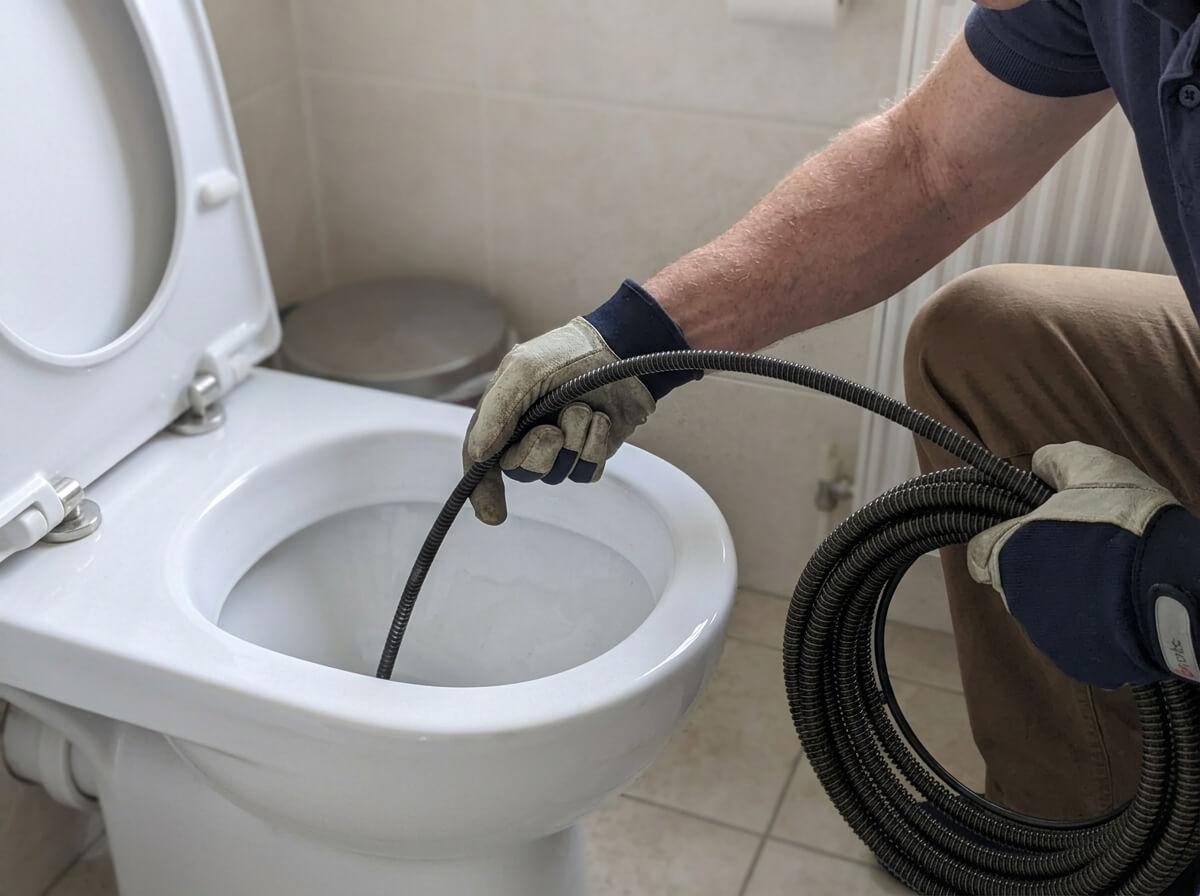
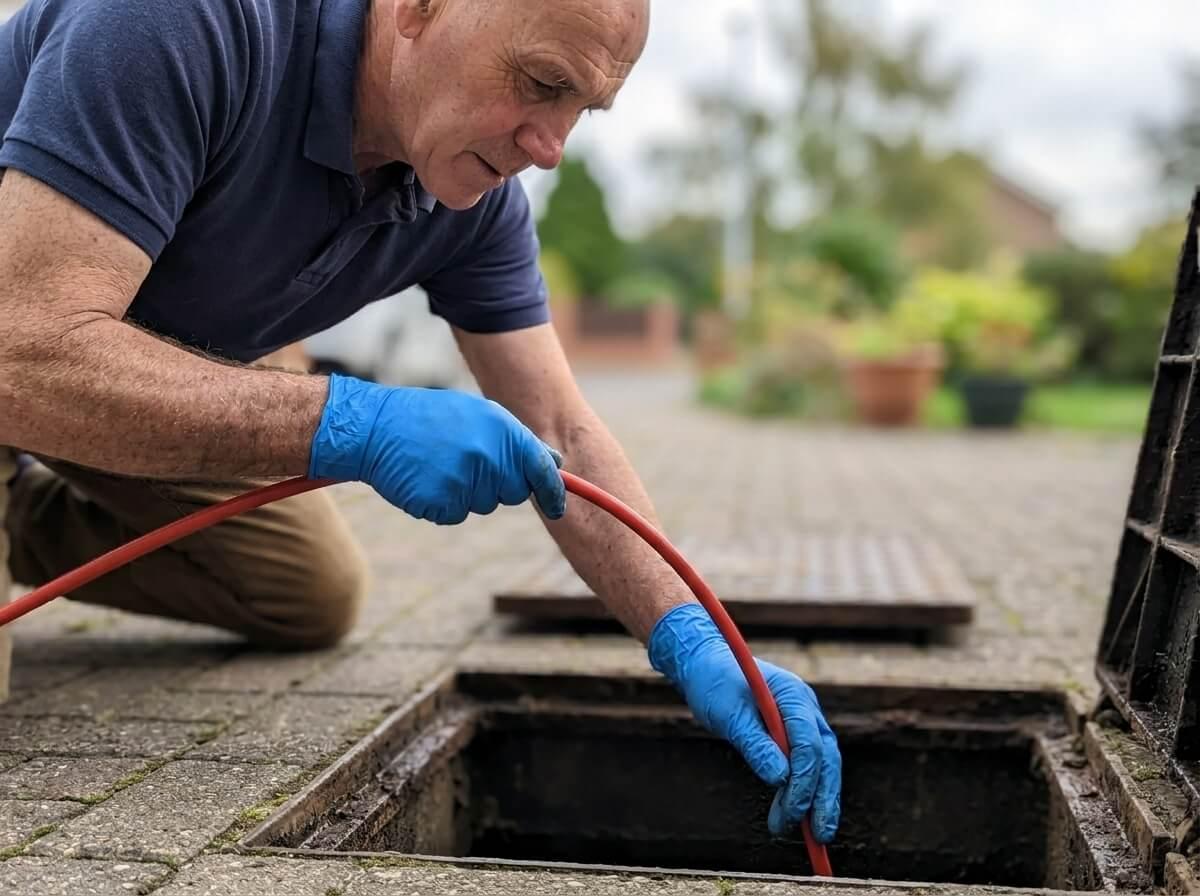
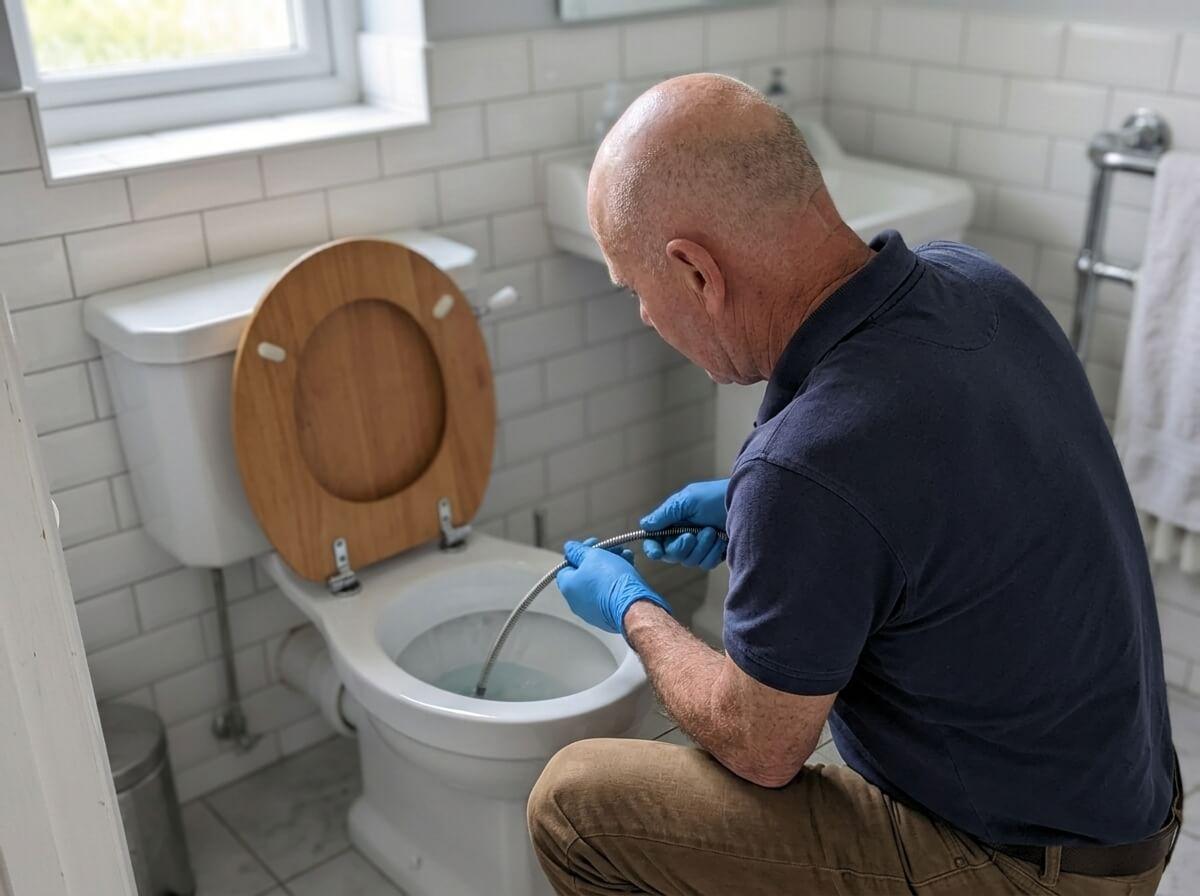
If you have tried the safe home methods and the toilet is still blocked, if it is overflowing, if it is the only toilet in the house, or if you suspect a foreign object or a problem further down the drain, it is time to call a professional rather than keep experimenting. A blocked toilet is unpleasant and unhygienic, and the longer a serious blockage is left, the greater the risk of an overflow. I carry the proper tools, including a closet auger that clears the pan without damaging it, and rods for blockages further down the system, to clear even stubborn blockages quickly and cleanly, and I will always tell you what caused it so you can avoid a repeat. You can read more on our blocked toilet repair page, or simply call. At PD Parnell Plumbing I offer a genuine 24-hour service across Ipswich and Suffolk, so if your toilet is blocked and the home remedies have not worked, call 07977 857224 for fast, friendly help.